How Garmin’s new screen-free wearable earned a spot on my wrist
How Garmin’s new screen-free wearable earned a spot on my wrist
I got to ditch the screen without sacrificing the metrics, and that felt really good.

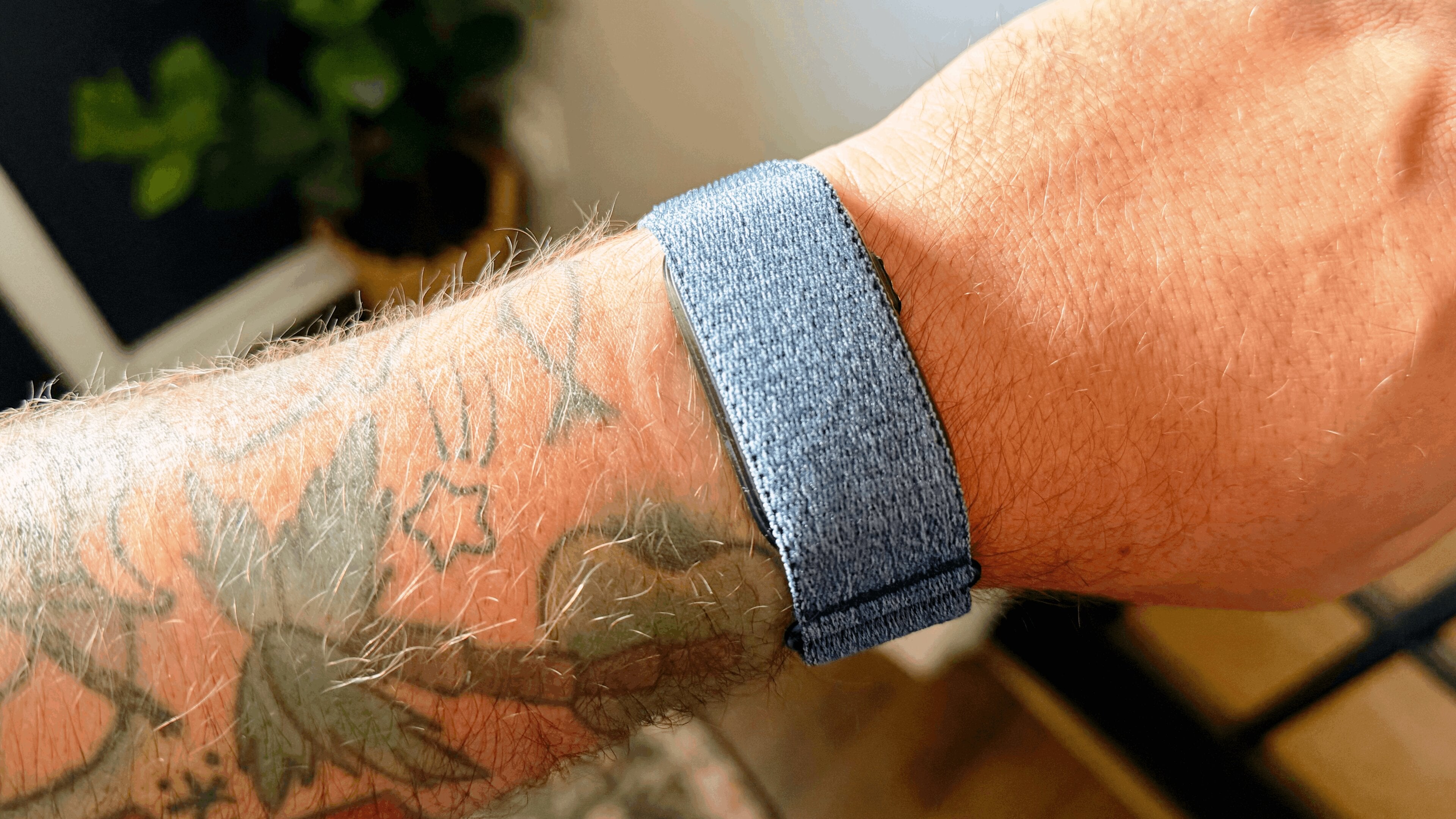
In 2026, screens are quite literally everywhere you look. Our cars are full of huge displays; likely every room in your house has one of some size; they are everywhere you look in public; it’s the new norm. With so much of our life spent in front of and interacting with screens, sometimes it’s nice to be able to step back and take a break from them as well.
For years, I’ve worn a fitness tracker of some sort on my wrist. Whether it was an Apple Watch or Garmin Watch, it always had a screen to show me some of the data, to alert me to a phone call, and honestly something to interact with when I was bored. Recently, I felt an urge to ditch the interactive display and look for something more simplistic, and that’s where the Garmin Cirqa came into play
The idea of a screenless wearable to capture fitness-related information is not new; they’ve been around for a long time, dating way back to the old Fitbit days (before Google acquired the company). More recently, companies like Whoop and Amazfit revived the trend, and now Garmin has entered the mix.
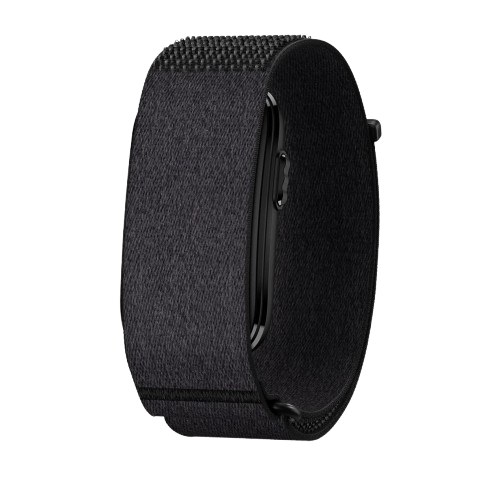
Garmin Cirqa
$199.99
Enter the Garmin Cirqa
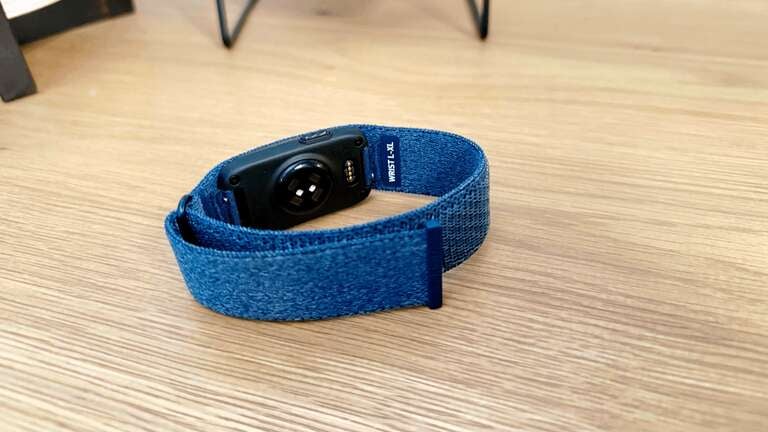
So, what is the Garmin Cirqa? As mentioned, it’s Garmin’s first screenless wearable, which is designed to capture all of your fitness and health data without needing you to wear one of the company’s big-screen watches. The Cirqa can measure your heart rate, track your steps, capture your workouts, and even analyze your sleep. It’s a relatively small tracker that you can wear on your wrist or bicep, and the goal is to be able to put it on and basically forget that it’s even there, as it offers up to 10 days of tracking before it needs to be charged.
Since I’ve been in the Garmin ecosystem for many years, I knew as soon as it was released that I had to try it. Before I even got my hands on it, I was convinced that Garmin missed the mark because of how big it was and that options like Google’s Fitbit Air would likely be better for most people. Now that I’ve been able to test it for the past few weeks, I can safely say that I am glad I went into testing this with an open mind, and I like the Cirqa way more than I expected that I would.
Despite having used a Garmin for years — including some of the latest hardware like the Fenix 8 — the first few days of Cirqa usage offered up some interesting data. With these new screenless wearables, the companies say that they can take up to a week to calibrate, and I have noticed that the more I wear it, the more accurate it becomes. The calibration includes gaining a better understanding of your baseline heart rate, resting heart rate, heart rate variability, and more to give you a better understanding of how your varying levels of activity and rest affect each of them as you continue to use it.
Breaking the phantom wrist-checking habit
One of the biggest changes for me was going from a wearable that had smartwatch features to one that was purely for tracking fitness. On the surface, that sounds easy, but this meant no more notifications on my wrist for calls or texts, no glancing down to see what time it was, and no quick access to some of my favorite stats during the day. I still occasionally find myself looking down to check the time, or because I swear I felt a notification, but on the whole, it has been a rather simple adjustment period, and I really appreciate how it has allowed me to disconnect just a little bit more.
I’m far from a fitness fanatic, but I do like to track my daily stats and see how they affect how I feel. As someone who works from a desk at home, being able to see how many steps I take in a day is a big one for me. I also really appreciate the fact that the Cirqa can automatically detect different types of workouts if I forget to start tracking them before I begin.
The other big thing for me is sleep. Recently, I was diagnosed with Sleep Apnea, so I need to keep track of how I’m sleeping, what my heart is doing during sleep, how my breathing is during the night, and what my oxygen levels are. I find sleeping with the Cirqa significantly more comfortable than some of the bigger Garmin models that I have worn in the past, and the accuracy seems to be pretty on point. In the morning, I load up Garmin Connect on my phone and see all the stats from the night before to make sure everything looks in line with what I would expect to see.
How the Cirqa compares: Whoop and Fitbit
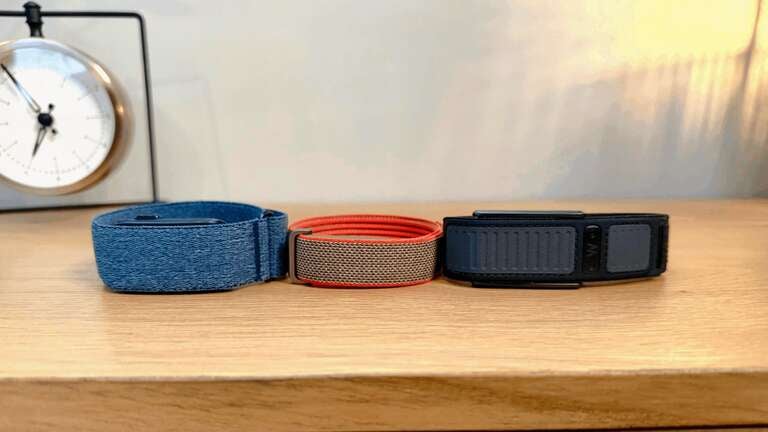
For my purposes, tracking stats is more for peace of mind than to modify my training routines, but being able to do it with a device that doesn’t need constant interaction is a huge plus. I’ve also spent some time using the Whoop MG and the recently released Google Fitbit Air, so I feel pretty comfortable comparing the three.
For accuracy, I’ve found that the Whoop MG struggled the most to capture accurate sleep stats and step count. It is also the largest of the bunch in terms of size on the wrist, which for some might be a positive, but it was not for me.
The Fitbit Air was extremely accurate once it got calibrated, but I found the Google Health app to be the worst of the bunch in which to review data. Obviously that is a major negative, since the wearable has no display on the unit to view your stats. Google relies heavily on its AI Assistant to summarize things and offer actions, which means that the interface lacks a clear at-a-glance dashboard.
The Garmin app is a bit more basic, which isn’t always a bad thing. It gives me easy access to the data that I care most about, so I can open the app, see the information, and go on about my day.
We live in a very connected world, and working remotely means that I try to make myself as accessible to coworkers as possible. But setting boundaries is important, and the stress of being constantly reachable can become overwhelming at times. Using the Garmin Cirqa has allowed me to continue to monitor and track my healthy habits in the background, while giving the ability to disconnect from at least one screen in my life.
Garmin Cirqa
$199.99
Compact and distraction-free, the Garmin Cirqa delivers Garmin’s top-tier health and sleep metrics without a display to tap or check. It’s the ultimate low-profile wearable for tracking workouts, heart rate variability, and recovery without tethering you to another screen.