Loved Steve Carell in ‘Rooster’? Try these comedies next
Loved Steve Carell in ‘Rooster’? Try these comedies next
Whether you loved the heart, the cringe, or the college setting, this list has you covered.


“Rooster” just wrapped Season 1 on HBO Max, and Tara and I had a lot of fun watching this one. Honestly, it was just nice having Steve Carell back in full cringe-comedy mode. He’s so good at playing a guy who thinks he’s helping, but is actually making everyone in the room deeply uncomfortable.
But what makes “Rooster” work is the real heart under the embarrassment. What starts as a dad trying to help his kid slowly turns into a bigger story about loneliness, reinvention, and realizing you might still need people more than you want to admit. So if you finished Season 1 and want another comedy that scratches some part of that same itch — wounded adults, weird communities, campus chaos, emotional messiness, or people trying very hard to be better and failing publicly, these are the shows I’d watch next.


Rooster
On a college campus, an author navigates a complicated relationship with his daughter.
Loved ‘Rooster’? Watch: ‘Ted Lasso’

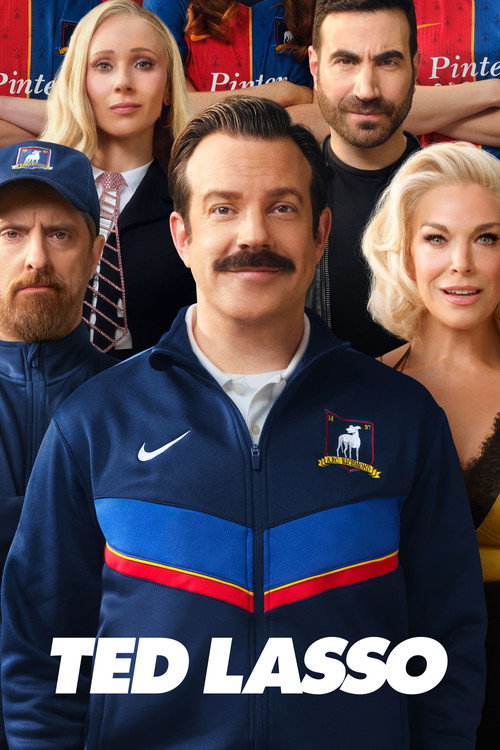
If what you loved most about “Rooster” was the warmth hiding underneath all the awkwardness, “Ted Lasso” is the easiest next watch. It follows an American football coach who gets hired to manage a British soccer club even though he knows almost nothing about the sport. That could’ve been a one-note fish-out-of-water comedy. Instead, it becomes this big-hearted story about kindness, panic attacks, divorce, friendship, leadership, and the weird miracle of finding your people in a place where you absolutely do not belong.
That’s where it lines up so well with “Rooster.” Both shows share Bill Lawrence’s comedy DNA (he co-created both) by taking an emotionally displaced guy and dropping him into an institution full of skeptics, where he slowly learns the real lesson isn’t whether he succeeds at the job — it’s whether he can become part of the community.
Now, “Ted Lasso” is brighter and more openly uplifting than “Rooster,” while “Rooster” has more of that autumnal, midlife, “wait, how did my life end up here?” energy. But the emotional engine is very similar. These are shows about lonely men who start out looking like the helper, then realize they’re the ones being saved. Plus, Phil Dunster is in both, so you get a familiar face immediately!
Ted Lasso
Ted Lasso, an American football coach, moves to England when he’s hired to manage a soccer team—despite having no experience. With cynical players and a doubtful town, will he get them to see the Ted Lasso Way?
Check out: ‘Shrinking’

“Shrinking” is the pick if you liked the sad-adult-trying-to-function part of “Rooster.” Jason Segel plays Jimmy, a therapist who is still reeling from the death of his wife and decides, maybe not wisely, to start telling his patients exactly what he thinks. This is a terrible professional idea. Naturally, it also makes for very good TV. He’s grieving, parenting badly, crossing boundaries, upsetting friends, and somehow trying to heal other people while very clearly not having himself together.
The big connection here is the Bill Lawrence emotional universe of it all (he co-created this one, too… prolific much?). Both shows are about damaged adults who start meddling in other people’s lives because they don’t really know what to do with their own. In “Rooster,” Carell’s character extends his stay at his daughter’s college and starts getting pulled into this whole campus ecosystem. In “Shrinking,” Jimmy turns his grief into a series of bad decisions that ripple through his patients, friends, coworkers, and daughter.
“Shrinking” is louder, messier, and more openly emotional, but it has the same basic belief at its core: people can be broken, embarrassing, annoying, and still worth rooting for. Also, Harrison Ford is doing some of the funniest work of his career here, so you don’t want to miss that.

Shrinking
Jimmy is struggling to grieve the loss of his wife while being a dad, friend, and therapist. He decides to try a new approach with everyone in his path: unfiltered, brutal honesty. Will it make things better—or unleash uproarious chaos?
Watch next: ‘Lucky Hank’
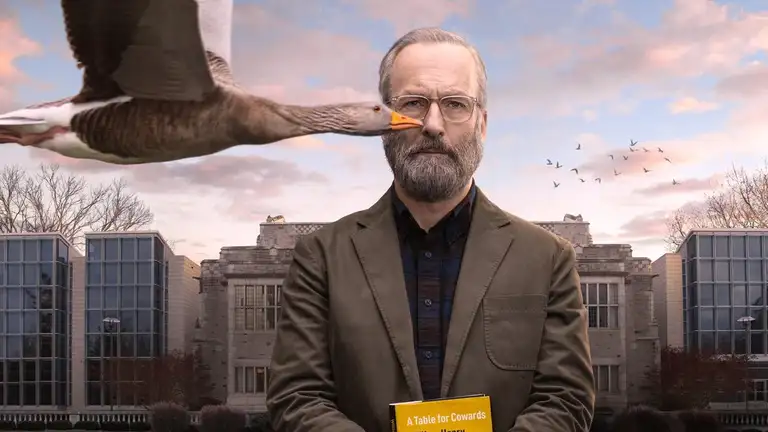
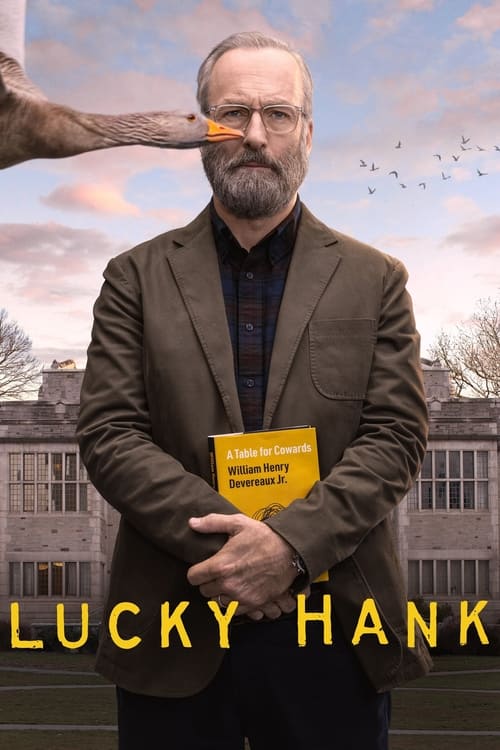
If your favorite part of “Rooster” was the whole literary-guy-having-a-midlife-crisis-on-campus thing, “Lucky Hank” is the sharpest fit on the list. Bob Odenkirk plays Hank Devereaux, the chairman of an English department at a struggling Pennsylvania college, and he is not exactly thriving. He’s frustrated with his career, annoyed by his colleagues, uneasy in his marriage, haunted by his father, and basically walking around wondering, “Is this really all life is?”
That’s the part that makes it such a good “Rooster” follow-up, even though the tone is definitely more sour. Both shows understand that academia is a perfect comedy machine because it’s full of smart people pretending to be fine while quietly unraveling in public. “Rooster” uses the college setting for warmth, second chances, and awkward father-daughter healing. “Lucky Hank” uses it for resentment, ego, professional disappointment, and very dry humiliation.
So no, this isn’t the cozy pick. But if what hooked you in “Rooster” was watching a middle-aged literary man realize that his carefully built identity might be falling apart, “Lucky Hank” is basically the crankier cousin.
Lucky Hank
A mid-life crisis tale about the unlikely chairman of the English department in a badly underfunded college in the Pennsylvania rust belt.
Wildcard pick: ‘Dear White People’

“Dear White People” is the biggest swing here, but it absolutely belongs if what you loved about “Rooster” was the campus-as-a-whole-world feeling. The show follows students of color at an elite university where everyone likes to think they’re enlightened, until the actual behavior on campus tells a very different story. It starts in the fallout of a blackface party, then opens up into a smart, funny, messy ensemble story about identity, activism, status, friendship, romance, and all the ridiculous ways college makes people perform who they think they are.
Now, to be clear, this is not the same vibe as “Rooster.” It’s younger, sharper, angrier, and way more politically charged. But the overlap is in how both shows treat a college campus as more than a backdrop. The school is the engine — it forces people into classrooms, offices, parties, clubs, fights, conversations, and uncomfortable public moments where they accidentally reveal way too much. “Rooster” is more about midlife loneliness and finding community later than expected.
“Dear White People” is more about young people figuring out who they are in a place that keeps trying to define them first. But if you want another comedy that understands how emotionally weird, socially loaded, and totally absurd campus life can be, this one’s a smart next stop.

Dear White People
Students of color navigate the daily slights and slippery politics of life at an Ivy League college that’s not nearly as “post-racial” as it thinks.
More to watch after finishing ‘Rooster’:
‘A Man on the Inside’ | Netflix
A Man on the Inside
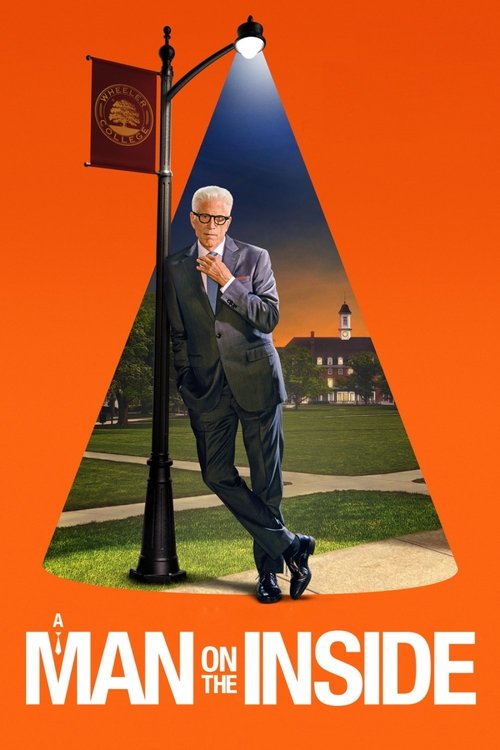
A retired professor with a knack for snooping gets a new lease on life when a private investigator recruits him to go undercover and crack a case.
‘The Chair’ | Netflix

The Chair
At a major university, the first woman of color to become chair tries to meet the dizzying demands and high expectations of a failing English department.
‘Abbott Elementary’ | Hulu
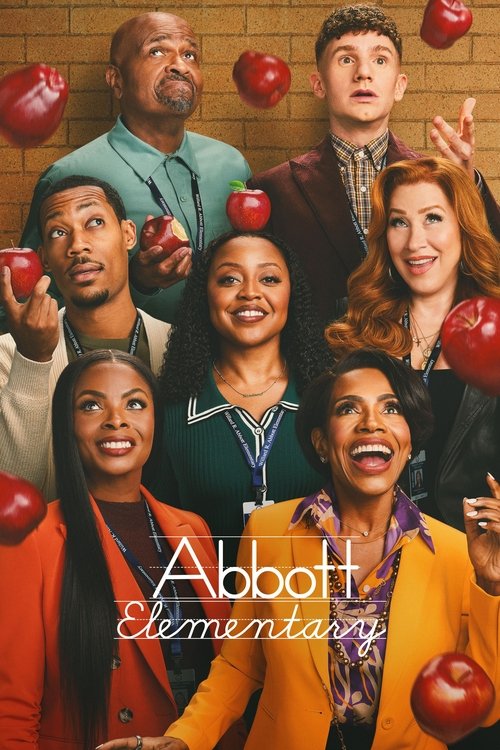
Abbott Elementary
In this workplace comedy, a group of dedicated, passionate teachers — and a slightly tone-deaf principal — are brought together in a Philadelphia public school where, despite the odds stacked against them, they are determined to help their students succeed in life. Though these incredible public servants may be outnumbered and underfunded, they love what they do — even if they don’t love the school district’s less-than-stellar attitude toward educating children.
‘Somebody Somewhere’ | HBO Max

Somebody Somewhere
Sam is a true Kansan on the surface but beneath it all struggles to fit the hometown mold. As she grapples with loss and acceptance, singing is Sam’s saving grace and leads her on a journey to discover herself and a community of outsiders that don’t fit in but don’t give up, showing that finding your people, and finding your voice, is possible. Anywhere. Somewhere.