What is Dolby Atmos, and why does it matter?
What is Dolby Atmos, and why does it matter?
If you’ve seen Dolby Atmos iconography on your favorite streaming service, but aren’t sure what the big deal is, we’ll explain everything you need to know here.

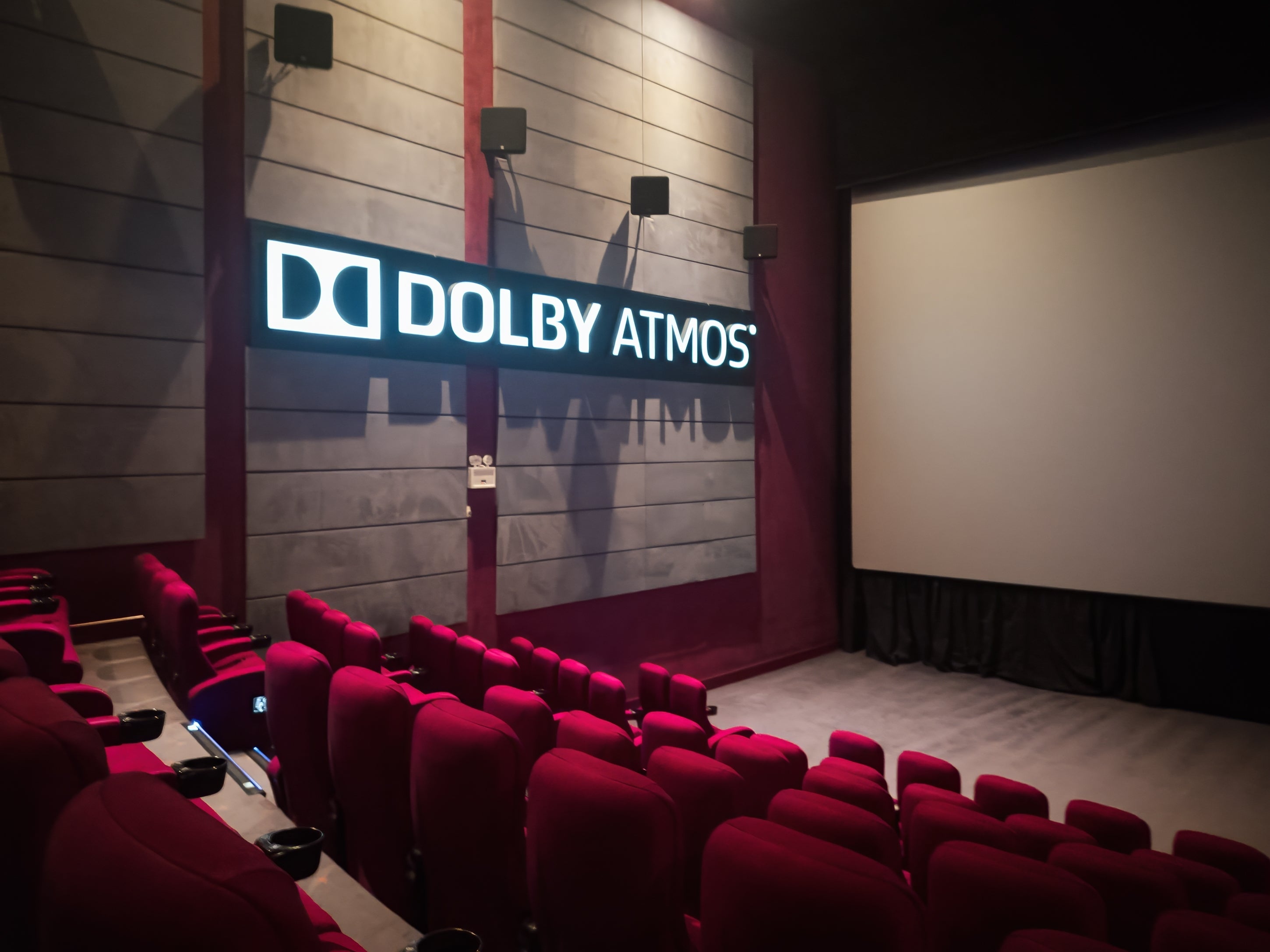
Whether it’s during the stream of a new TV show or movie, or while shopping for new electronic devices, readers have probably at least heard of Dolby Atmos before. Marketers love to tout Dolby Atmos as a key feature of their devices and platforms, lending a premium feel to whatever product or service they’re selling. But what exactly is Dolby Atmos anyway? Why would you want to use it, and what do you need to make it work? Our beginners’ guide will explain everything you need to know about Dolby Atmos, including why you would want it, which devices and streamers include it, and more.
Everything you need to know about Dolby Atmos
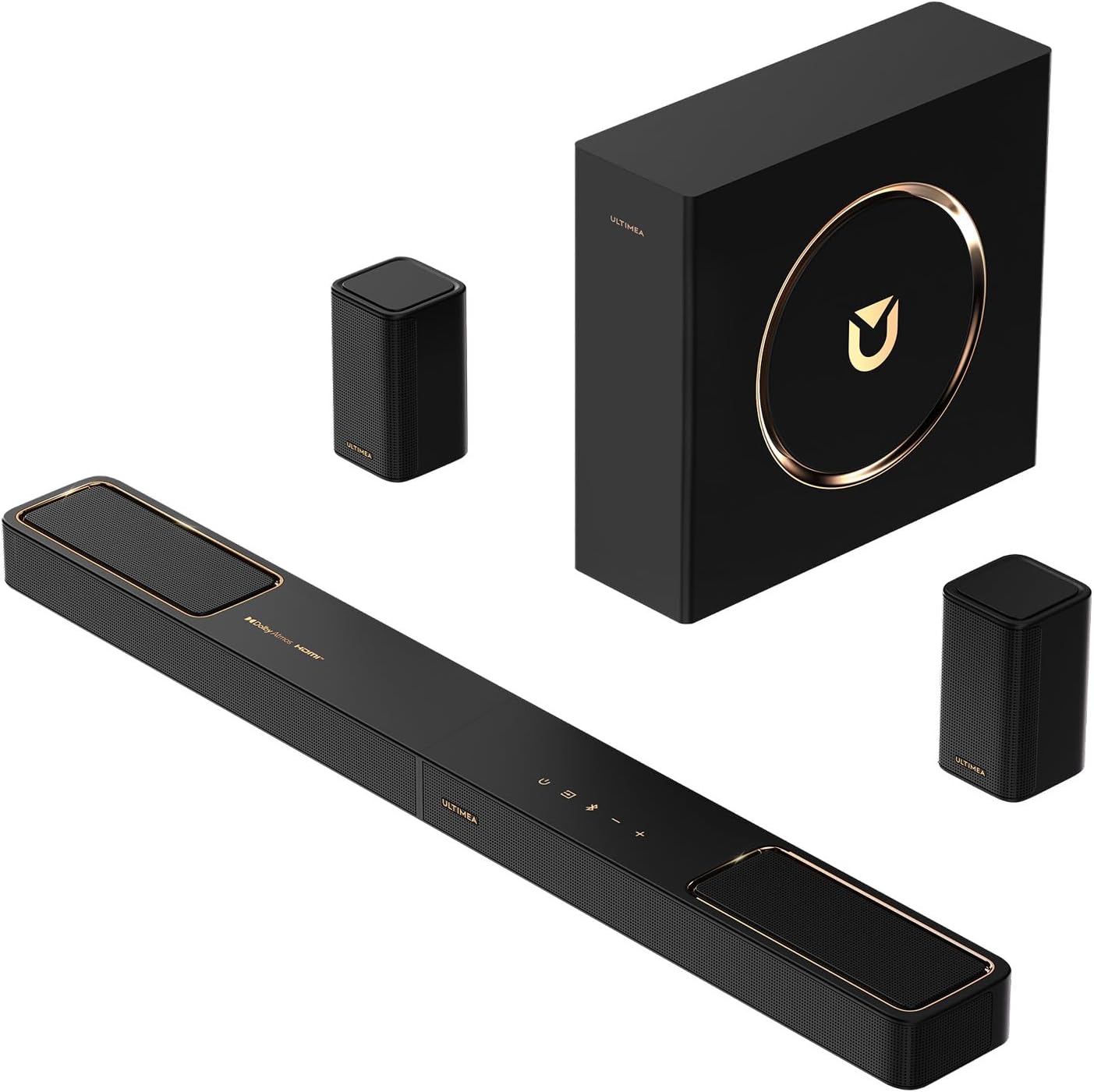
Ultimea 5.1.2ch sound system
$280
The Ultimea 5.1.2ch sound system comes with 2 surround speakers, upward-firing speakers, and a powerful subwoofer to support Dolby Atmos sound. It balances a premium experience with an affordable starting price and connects via HDMI eARC.
What is Dolby Atmos?
Dolby Atmos is an advanced format of surround sound that promises a more immersive audio experience. It allows sounds to move through a space in three dimensions. With conventional 5.1 surround sound, sounds are assigned to fixed speaker channels; audio engineers decide that a helicopter noise should come from a rear-left speaker or a center-right speaker, for example.
But with Dolby Atmos, the helicopter’s sound is treated as an independent object. Dolby Atmos stores sounds as independent objects with positional metadata, then your compatible receiver or soundbar renders those objects through your specific speaker setup.
This creates a more convincing sense of space when watching content with surround sound. It can even make it seem like sounds are coming from overhead and adapts to your sound system to maximize whatever number of speakers it has.
Dolby Atmos works best with sound systems that have speakers or soundbars with dedicated height channels that either fire sound upward or are mounted on the ceiling or high on the wall. These are what give the watcher the feeling they are being surrounded by sound, instead of having it directed at them through specific channels.
How is Dolby Atmos superior?
Dolby Atmos’s independent sound tracking creates a much more precise sound placement, leading to an immersive listening session every time you use it. Listeners will notice more precise placement of sounds, greater separation between audio elements, and a better sense of immersion when Dolby Atmos is working at its best.
Using traditional surround sound can put audio around the listener, but the sound is assigned to move through fixed channels. With Dolby Atmos, however, viewers feel like they’re actually inside the screen; Dolby Atmos can make it sound like rain is falling over your head, or like you’re being circled by a race car doing laps at lightning speed. Individual sounds have a lot more freedom to move around the room with Dolby Atmos than with traditional surround sound.
Is Dolby Atmos always better?
Although Dolby Atmos is a premium audio format, it isn’t always necessary for every viewing experience. Viewers probably won’t notice as much of a difference in watching with Dolby Atmos when watching dialogue-driven scripted titles like sitcoms, news broadcasts, or older titles in which the sound doesn’t move around the room much.
There are many clear situations in which Dolby Atmos is called for, however. Big-ticket sci-fi fantasy or action titles are the perfect format for Dolby Atmos, which can enhance sound effects and take sweeping film scores to an even more epic level. Similarly, sporting events that are mixed in Dolby Atmos are fantastically immersive, since the crowd noise from the stadium can fill the room to make the viewer feel like they are actually there with the right setup.
So, while Dolby Atmos doesn’t necessarily create a cinematic audio experience in every circumstance, the format does excel while watching content with large, immersive soundscapes, or titles that include a big number of moving sound effects.
Are TV speakers compatible with Dolby Atmos?
Technically, yes. Many modern TVs advertise that they can support Dolby Atmos sound without a connected soundbar. These TVs can receive an audio track encoded with Dolby Atmos and decode it, but it does not necessarily create true 3D sound; your TV’s speakers probably aren’t capable of generating that kind of audio, though some premium TVs do include speakers that launch sound upward to create a more Atmos-like effect. This is generally much weaker than a dedicated sound system. Usually, TV speakers are small and aren’t positioned in a way that can create a 3D sound experience.
As referenced above, Dolby Atmos is technically compatible with a large number of devices, even headphones. It adapts automatically to the number of speakers your sound system is using, but it cannot improve the quality of sound to 3D surround sound with all devices; the physical limitations of the sound system itself will still apply.
If you really want to use Dolby Atmos to the fullest, you should invest in a true surround sound audio system for your home theater, including a soundbar and speakers that support the Atmos format.
Which devices support Dolby Atmos sound?
Dolby Atmos sound is supported by a long list of streaming devices, including:
There are a large number of soundbar and speaker combinations that offer Dolby Atmos support, as well. Find devices at major retailers using the links below, but make sure you follow our device-buying guide below to make sure you’re getting a soundbar or speakers that actually fit your needs.
- Shop the Ultimea 7.1ch Dolby Atmos surround sound system and other options at Amazon.
- Shop the LG - 5.1.1-Channel S70TR Home Theater Soundbar and more at Best Buy.
- Shop the Samsung HW-Q900F Q-Series 7.1.2 Channel Dolby Atmos Soundbar and similar products at Target.
A huge selection of modern smart TVs, and even some headphones, now support Dolby Atmos audio, as well. Check for the Dolby Atmos logo on the device’s packaging, or search for the phrase in the product’s online details page if you want to be sure it supports Dolby Atmos surround sound.
What to know when shopping for Dolby Atmos devices
As noted, a large list of devices will support the Dolby Atmos format. However, to get true 3D sound, buyers will need a soundbar or home theater that fires audio upward, or a dedicated receiver setup with overhead speakers.
For an even better Dolby Atmos experience, customers can shop for speakers that are intended to be installed at ceiling height or high on the wall, often referred to as height-level speakers. This makes for a truer surround sound effect, since the audio is actually being generated from above, not simply bounced around the room.
When shopping for a sound system that supports Dolby Atmos sound, customers will want to keep an eye out for labels like “5.1.2” or “7.1.4.” These refer to the number of audio channels you’ll get when you buy; a 5.1.2 sound system has five main channel speakers (usually ear-level), one subwoofer, and two height channels, for example. More height channels, such as ceiling speakers or upward-firing soundbars, can create a better experience, but proper placement and acoustics are just as important.
When shopping for a new soundbar, make sure it supports HDMI eARC if you want lossless audio. This provides sufficient bandwidth for Dolby Atmos audio to pass through the TV to your connected soundbar, ensuring you don’t get a limited Atmos experience. Standard HDMI ARC will be sufficient for most streaming Dolby Atmos content, but if you want to use Dolby TrueHD Atmos (most commonly employed by Blu-ray players or some media servers), HDMI eARC is important.
You’ll also want to know the layout of the room you want to use Dolby Atmos in. While many premium sound systems will automatically calibrate sound for your room setup, you’ll need to know things like the room’s size and ceiling height to know how many speakers you’ll need when equipping the room for Dolby Atmos sound.
Which streaming services offer Dolby Atmos?
Many video and audio streaming services include support for Dolby Atmos on select titles. Usually, this format is reserved for the most expensive plans available from these services, and lower-priced or ad-supported tiers often do not include Dolby Atmos.
It’s also important to note that plans that include Dolby Atmos do not offer the format with every title in their libraries. If you’re not sure whether or not the title you want has Dolby Atmos, look for the Atmos logo on the title’s details page.
See which streaming services include Dolby Atmos audio and how much it costs to access in the table below!
| Streaming service | Lowest-priced plan with Dolby Atmos | Price |
|---|---|---|
| Netflix | Premium | $25 per month |
| Disney+ | Premium (No Ads) | $19 per month |
| HBO Max | Premium | $21 per month |
| Apple TV+ | Standard plan | $13 per month |
| Prime Video | Prime membership / Ad-free plan with Atmos titles | $15 per month |
| Hulu | Hulu (No Ads) | $19 per month |
| Paramount+ | Paramount+ Premium | $13 per month |
| Peacock | Premium Plus | $17 per month |
| [Tidal] | Any paid plan | $11 per month |
| [Apple Music] | Individual | $11 per month |
| Spotify | No Dolby Atmos support | N/A |
| YouTube Music | No Dolby Atmos support | N/A |
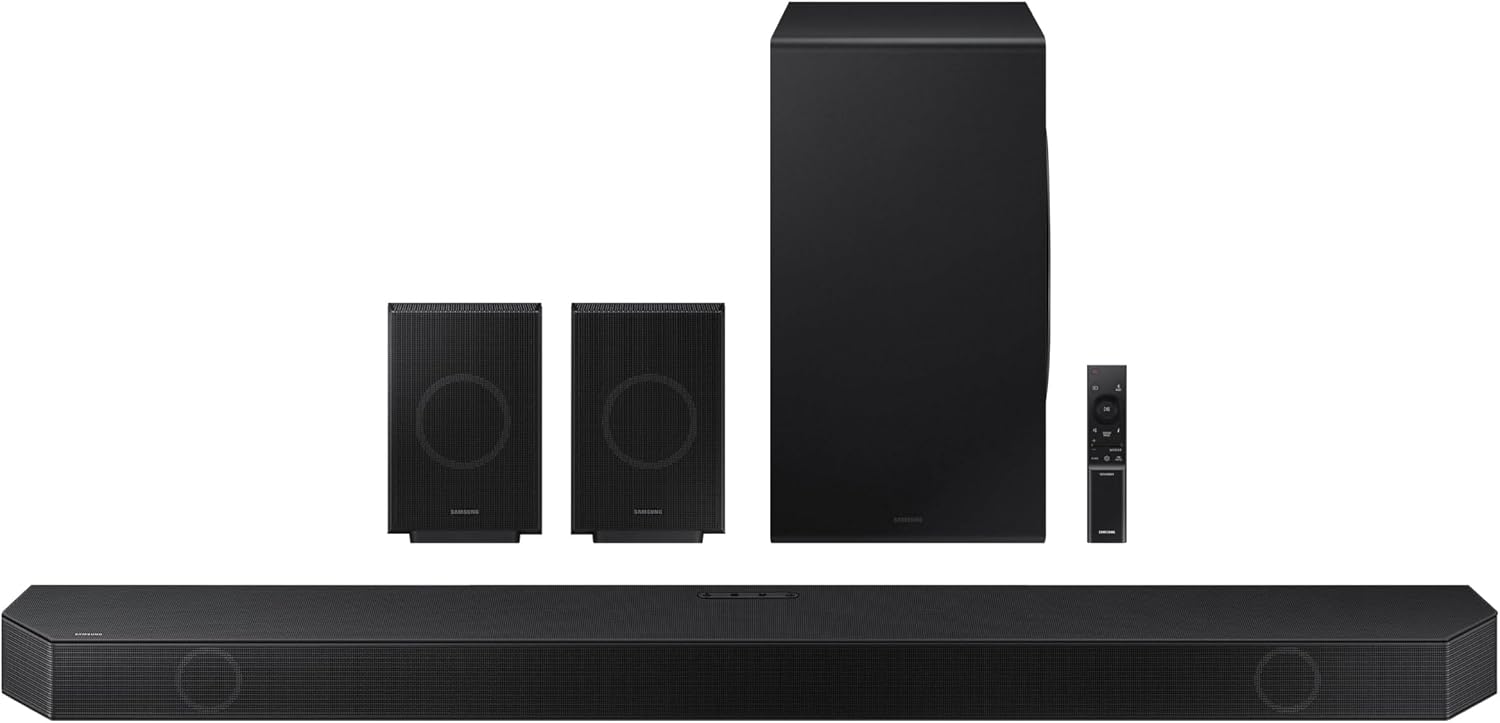
Samsung Q990D 11.1.4ch sound system
$960
The Samsung 11.1.4ch sound system allows for true Dolby Atmos sound, with 4 up-firing channels and a rear speaker kit that connects wirelessly to your smart TV.