Amazon Cites Terms of Service to Get Prime Video Lawsuit Tossed
Amazon Cites Terms of Service to Get Prime Video Lawsuit Tossed
The company says its user agreement explicitly states it can add or remove benefits from Prime membership at will.

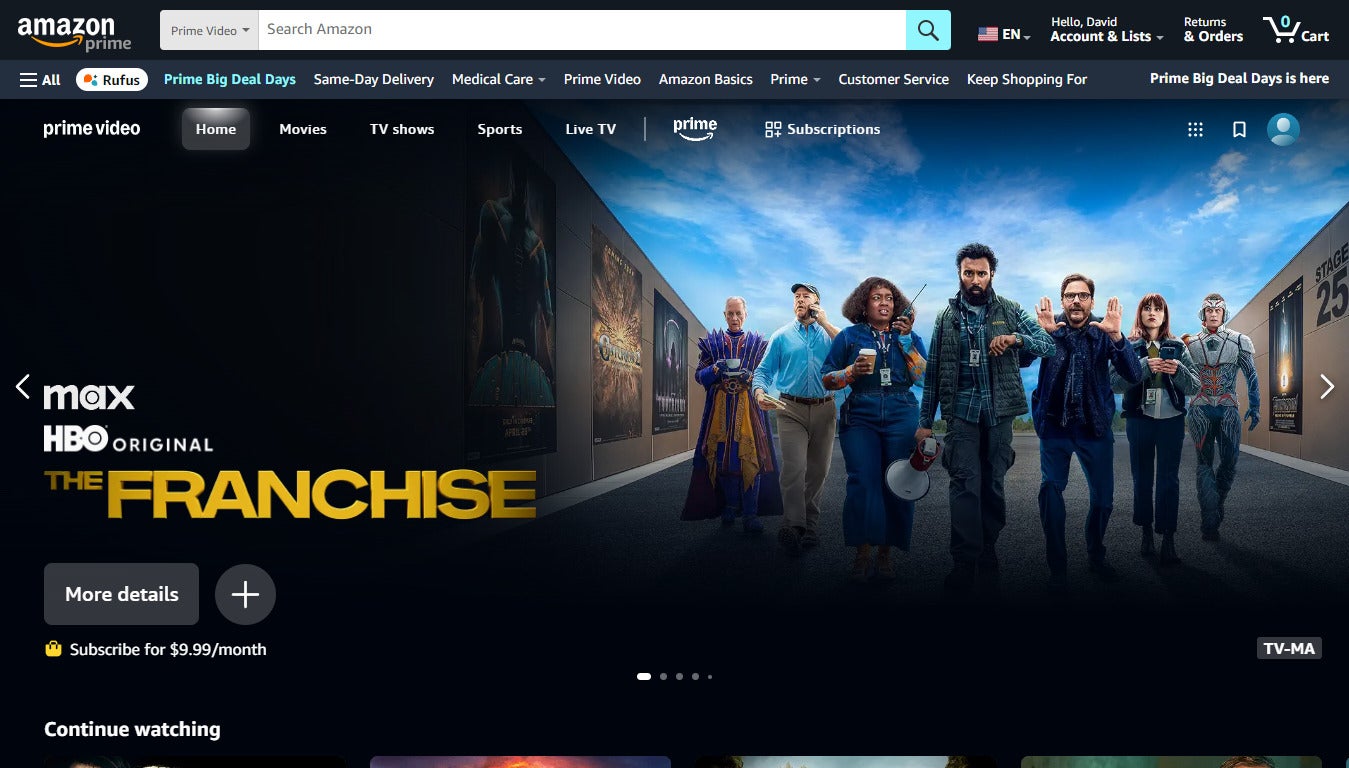
The introduction of ads to Amazon’s streaming service Prime Video followed a very different pattern than most other streaming services. Instead of creating a lower-priced tier with ads like Netflix, Disney+, and other streamers have done, Prime Video simply shoved ads onto its existing $9 monthly plan and made customers pay more to keep their ad-free experience. The execution of that rollout led to a class-action lawsuit by Prime Video customers, but now the company is trying to get that lawsuit dismissed.
Key Details:
- Amazon asked for the suit to be dismissed in an Oct. 4 filing.
- The company says its terms of service allow for it to change Prime Video more or less at will.
- The plaintiffs say that as annual subscribers, they had a reasonable expectation that Prime Video would stay ad-free for the duration of their service.
In its motion to dismiss filed on Friday, Oct. 4, Amazon called the claims brought by the plaintiffs “dead on arrival.” The company says that its terms of service expressly permit it to change the parameters of Prime Video or any other Amazon Prime benefit.
Amazon said that it “has always disclosed that the bundle of Prime benefits is subject to change… In other words, Amazon never guaranteed that any particular Prime benefit would remain available indefinitely; it expressly stated the opposite.”
The e-commerce monolith also argued that the plaintiffs are trying to ignore those rules in the Amazon Prime user agreement to zero in on Prime Video terms of service specifically, which it says “cover some aspects — but, importantly, not all aspects — of Plaintiffs’ use of Prime Video.”
Once again, however, Prime Video’s terms of use “do not prohibit subscription fee increases; to the contrary, they expressly allow fee increases and give Prime Video subscribers the option to cancel to avoid the higher fee,” Amazon argues.
The suit was first filed in February by a group of customers who said that because they had already paid for annual subscriptions to Prime Video, they had a reasonable right to expect that their service would remain the same for the entire length of their subscription. Amazon’s decision to force them to watch ads or pay $3 per month more to cut out commercials after they signed up for one year of ad-free streaming is unfair, they argue.
The suit seeks $5 million in damages. Amazon first warned customers it would be including ads alongside content in December 2023, before rolling out the ads at the end of January 2024.
In February when the lawsuit was announced, I gave my opinion that this was a tactic Amazon was likely to pursue. Now that prediction has been borne out, it’s up to a judge to determine if the lawsuit will be allowed to go forward.

Prime Video
Prime Video is a subscription video streaming service that includes on-demand access to 10,000+ movies, TV shows, and Prime Originals like “The Lord of the Rings: The Rings of Power,” “Jack Ryan,” “The Marvelous Mrs. Maisel,” “The Boys,” and more. Subscribers can also add third-party services like Max, Showtime, STARZ, and dozens more with Prime Video Channels. Prime Video also offers exclusive live access to NFL Thursday Night Football.