Inflation having a marked effect on streaming budgets
Inflation having a marked effect on streaming budgets
New data from Bango shows how customers are coping with rising costs, and how those costs are affecting their ability to pay for streaming.

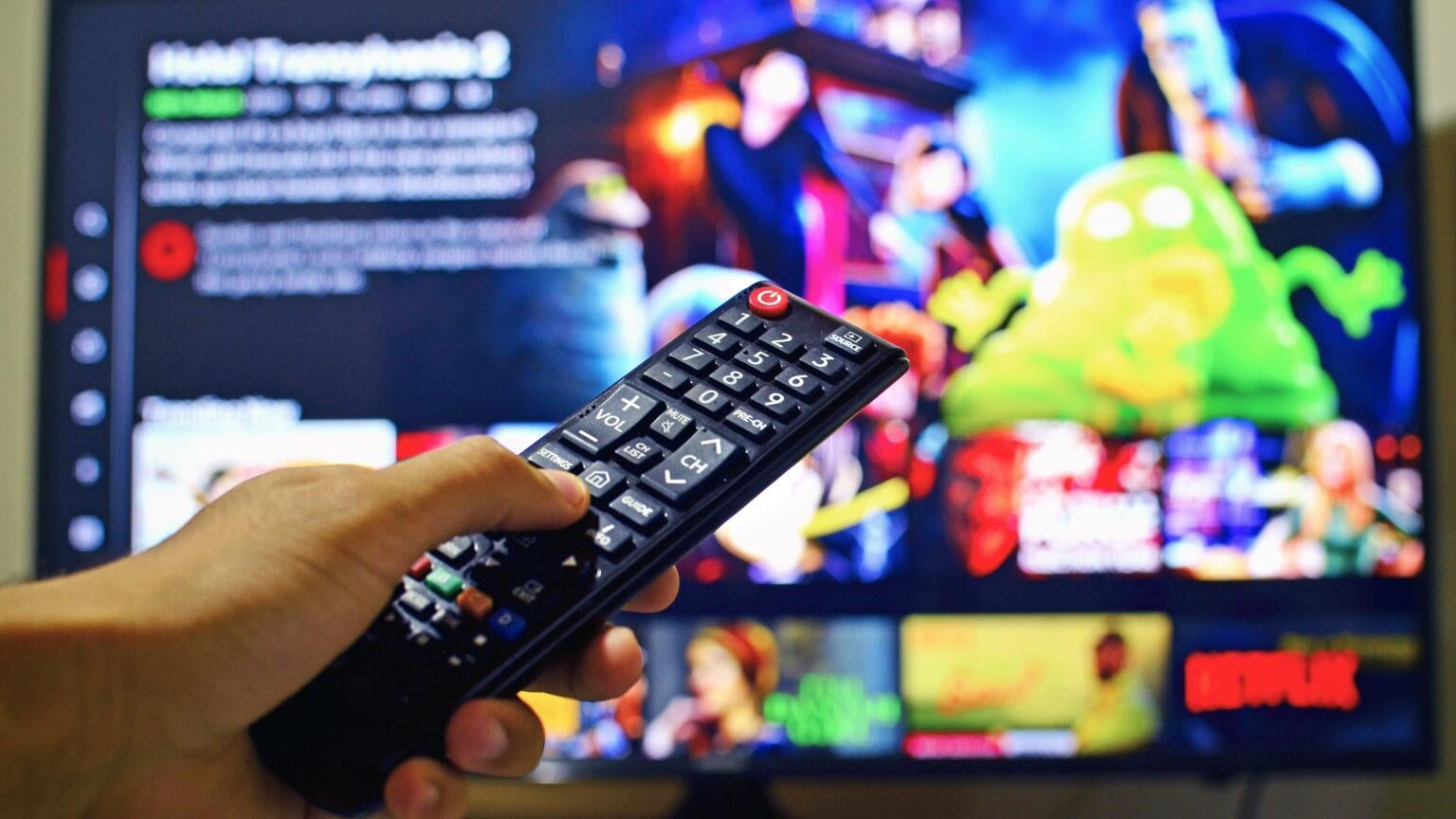
How are your entertainment budgets doing these days, readers? The answer for many is likely not great, as costs on just about everything seem to be creeping upward without pause. Entertainment is usually one of the most discretionary parts of any monthly budget, but a new survey from Bango shows that viewers are increasingly willing to cut costs elsewhere to afford streaming — even if they think the cost of streaming video has become too high.
Key Details:
- Non-negotiable: Over one third of respondents say they’ve cut back on other expenses to keep paying for streaming subscriptions.
- Budget crunch: Sixty-three percent of Americans with streaming subscriptions say they can’t afford all the services they want.
- Never gonna give you up: Netflix, Prime Video, and Hulu lead as services that viewers say they’ll never cancel.
Bango’s data from its new “Streaming Squeeze” research report shows that 34% of respondents in the United States have had to cut back on other household expenses in order to keep paying for their streaming subscriptions. These dedicated viewers are part of a growing audience who see access to streaming as an indispensable thing.
But there’s no doubt that Americans are feeling the pressure when it comes to their entertainment budgets. Sixty-three percent of respondents to Bang’s survey that already have streaming subscriptions said they can’t afford all the services they want, and 55% say their streaming bills are too high.
Customers are turning to ads to help bridge the affordability gap. While 69% say that paid streaming subscriptions should never show ads, 60% admit they are willing to accept even more ads than they currently see on streaming services if the price for those streamers was lowered further. When ad-supported plans launch, 42% say they downgrade to these plans to save money, while 39% say they pay more to avoid them.
Bango’s data also shows which streaming services viewers see as the most important to keep. Sixty percent identified Netflix as one “forever subscription” that they would never cancel, while 31% identified Prime Video as another such service. Twenty-four percent of respondents said they thought of Hulu as a streamer they could never get rid of.
Bundling is another way that viewers are combating streaming costs; 68% of Bango respondents said they have taken an indirect subscription like a bundle or third-party platform purchase. Among streaming customers who have signed onto a bundle, the reported average savings per month is $16.32.
“Subscribers refuse to give up on streaming — they just keep spending,” Bango CEO Paul Larby said. “But they’re re-balancing that spend to protect the streamers they love the most. They’ll cut back elsewhere, tolerate ads if the deal’s right, and move up or down tiers when new options land. But a key point is that for most people, Netflix is a non-negotiable ‘Forever Subscription’. For SVOD teams looking to grow their subscriber base in this market, the brief isn’t ‘add more content’, it’s ‘productize choice’. Offer clear ad tiering options to keep subscribers paying, and make upgrading/downgrading as easy as play/pause. Treat ‘forever’ as a distribution strategy by bundling alongside the brands people never cancel.”

Netflix
Netflix is a leading subscription-based video streaming service that offers on-demand access to an extensive library of over 3,000 movies, 2,000+ TV shows, and a growing collection of acclaimed Netflix originals. Renowned for producing groundbreaking content, Netflix has become a cultural powerhouse with hit originals like “Stranger Things,” “Wednesday,” “Squid Game,” “The Crown,” “Tiger King,” “Bridgerton,” “The Witcher,” and “Black Mirror.”