Do big gaps betweeen TV seasons hurt viewership?
Do big gaps betweeen TV seasons hurt viewership?
New data from Luminate shows that absence may indeed make the heart grow fonder.

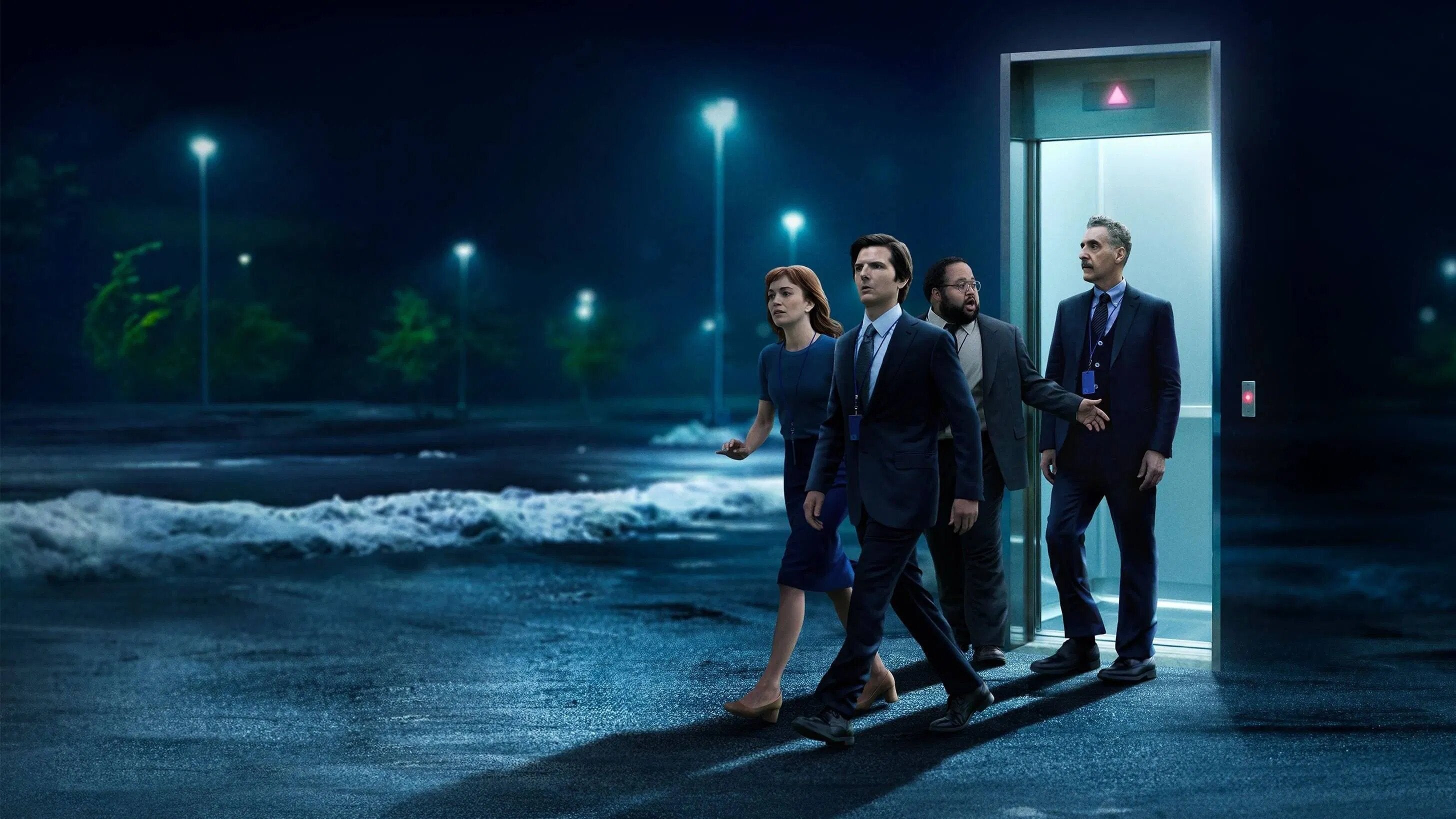
Patience is a virtue, good things come to those who wait, yada yada yada. We have been bombarded with these types of axioms since we were kids. And while adults gave us these words of wisdom in order to encourage forbearance, they were just as unhelpful at keeping us distracted in the days leading up to Christmas as they are now when we just want to watch a new season of our favorite streaming series. Between busy actors’ schedules and CGI delays, not to mention strikes and pandemics, some of the most popular shows in TV and streaming have been keeping audiences waiting for multiple years in between seasons. But while the waits between seasons are obnoxious to audiences, do they actually hurt the shows once they return? New data from Luminate helps to answer that question.
Key Details:
- Waiting is good for you: “Severance” and “Wednesday” have both seen jumps in viewership after long layoffs between seasons.
- Bear market: “The Bear” has seen its viewership drop after debuting a new season annually.
- One size doesn’t fit all: “Squid Game” and “Poker Face” prove that there is no hard-and-fast rule for streaming season releases.

Apple TV
Apple TV (formerly known as Apple TV+) is a subscription video streaming service for $14.99 per month, offering a growing slate of original series, films, documentaries, and specials. Unlike other platforms that combine licensed titles with originals, Apple TV is built entirely around exclusive programming, making it the home of critically acclaimed hits such as “Ted Lasso,” “Severance,” “The Morning Show,” and “Silo.” Its lineup continues to expand with award-winning dramas, comedies, family-friendly shows, and blockbuster original films like “CODA,” which won the Academy Award for Best Picture.
A new study from research firm Luminate illustrates that for some shows, a long period between seasons can actually be a good thing. Shows like “Severance” are increasingly taking two or three years to release new seasons, and while the 2023 Hollywood writer and actor strikes had a clear role in these extended layoffs, such windows between new episodes are getting longer.
Despite the long gap between “Severance” Seasons 1 and 2, there was no decline in viewership for the show. The release of the show’s second season not only led to billions of viewership minutes for the season itself, but it also helped Season 1 climb back into the 25 most-streamed original TV seasons through the first quarter. The halo effect of Season 2’s release helped Season 1 accrue more streaming time in the first six weeks of 2025 than it did in its original first 12 weeks of availability in 2022.
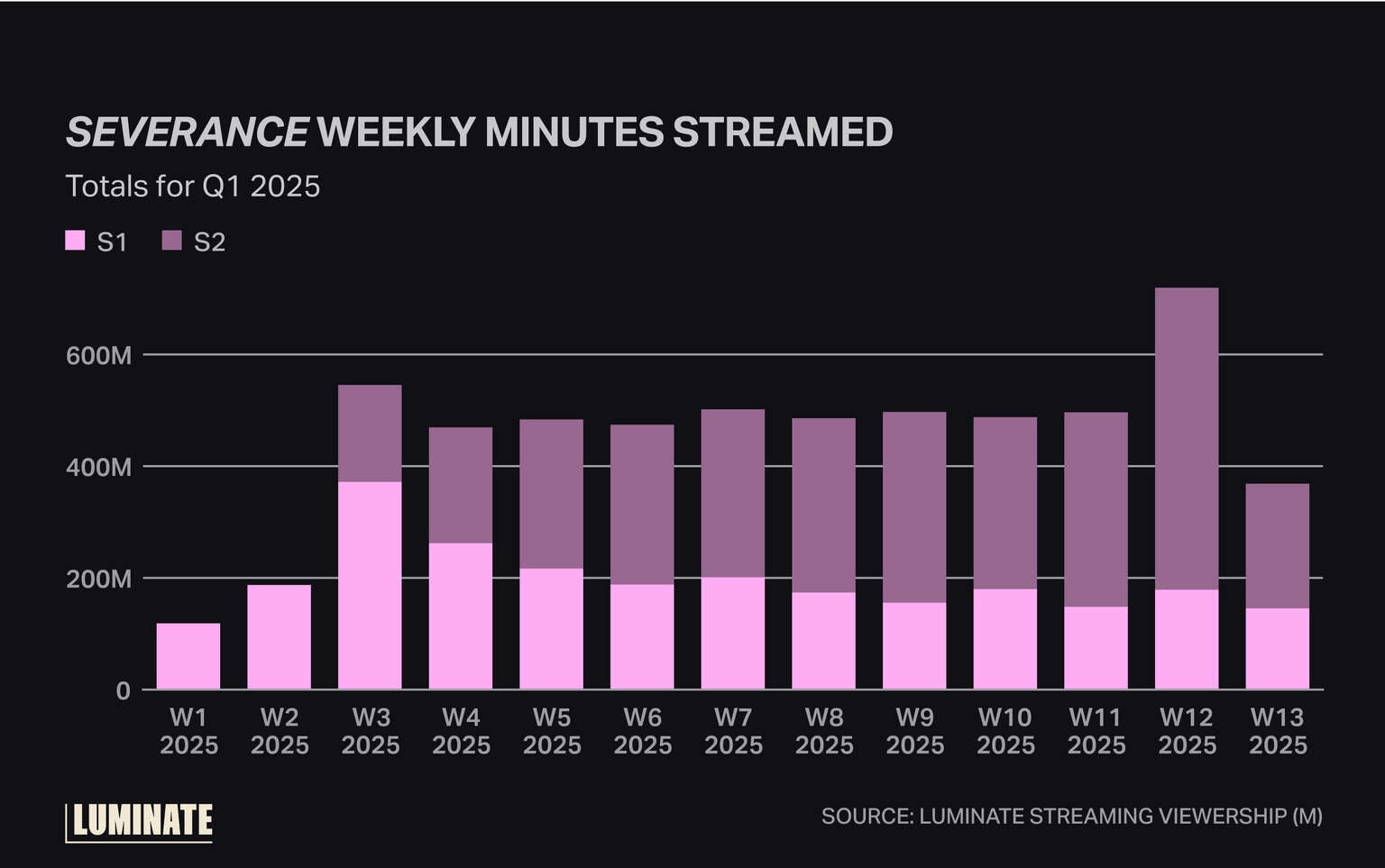
Click on chart to expand.
The long wait for “Wednesday” Season 2 also seems to have helped that show. The first four episodes of Season 2 of Netflix dropped on Aug. 6, and after just two days, the show had risen to No. 4 on the Luminate Streaming Viewership chart. Its first season jumped back into the top 10 for the first two weeks of the month, proving that the show’s return had generated significant interest for new episodes as well as causing viewers to return to, or finally tune into, Season 1.
Not only can long waiting periods between seasons help a show, but shorter windows can hurt series as well. “The Bear” has released a new season on Hulu every year since 2022, and its momentum has clearly slowed with Season 4. The new season was released in June, but after six full weeks of availability, Season 4 had recorded 17% fewer minutes streamed and 20% fewer estimated views than Season 3 did. While you could argue that a rocky Season 3 might have more to do with that than the release schedule, putting out a new season every year could also impact the quality of storytelling.
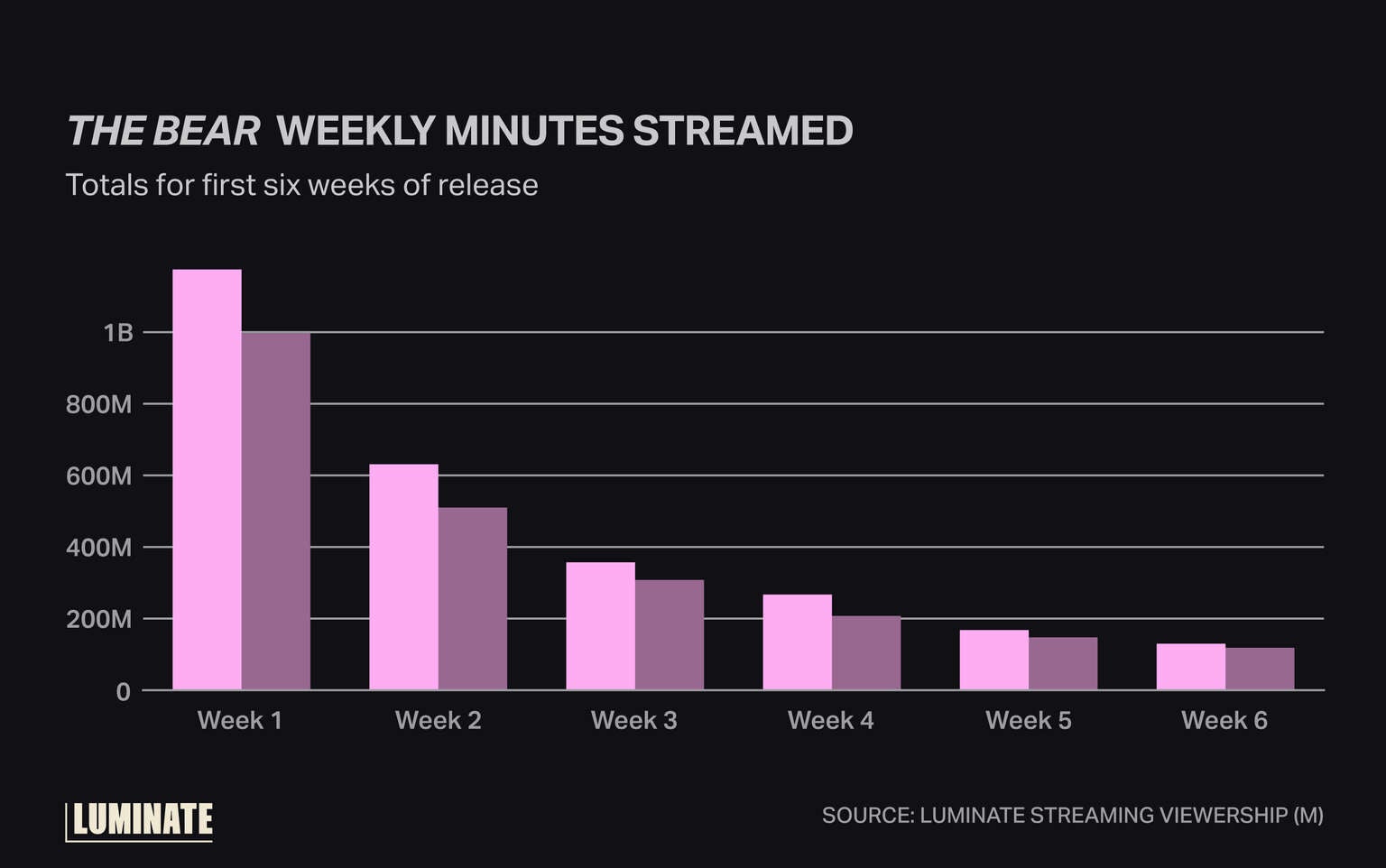
Click on chart to expand.
It seems, however, like most data points worth debating in the world of streaming, there is no one policy that makes sense for every show. “Squid Game” Season 2, for example, saw 70 million+ fewer viewers than its first season did, and “Poker Face” is also in a sophomore slump, with its 12-week viewing minutes falling 37%. Both shows had gaps of multiple years between Seasons 1 and 2.
What do you think? Does a long wait for your favorite shows build anticipation for those series even more, or do you find yourself losing interest in a title if you’re forced to wait for a new season to come out? Give us your thoughts in the comments below!
Apple TV
Apple TV (formerly known as Apple TV+) is a subscription video streaming service for $14.99 per month, offering a growing slate of original series, films, documentaries, and specials. Unlike other platforms that combine licensed titles with originals, Apple TV is built entirely around exclusive programming, making it the home of critically acclaimed hits such as “Ted Lasso,” “Severance,” “The Morning Show,” and “Silo.” Its lineup continues to expand with award-winning dramas, comedies, family-friendly shows, and blockbuster original films like “CODA,” which won the Academy Award for Best Picture.