What’s the difference between FAST and live TV streaming?
What’s the difference between FAST and live TV streaming?
Our experts will lay out all the differences between free ad-supported streaming and live TV streamers, and help you decide which is right for you.

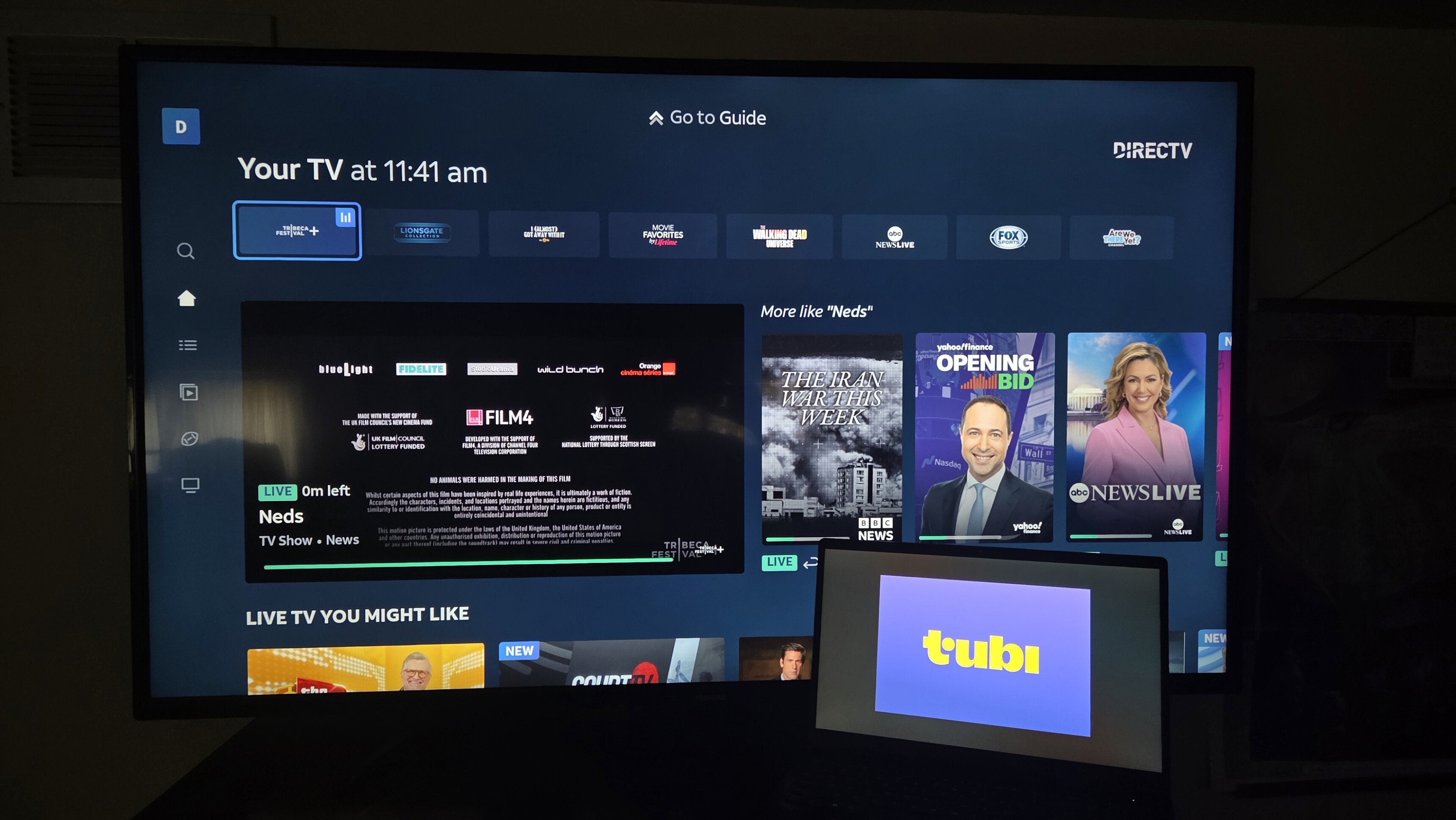
Things sure have changed since the only way to watch TV was on your actual TV. Now, you can take your favorite shows and movies with you wherever you go on your mobile device. Pay-TV has gotten much more advanced as well; you don’t need a physical cable or satellite dish to watch top cable channels anymore, all you need is a solid internet connection.
But with added choice and flexibility also comes added confusion. It’s pretty hard to keep all the top live TV apps straight nowadays, and even harder when free streaming services that mimic pay-TV packages are also widely available. Services like Pluto TV, The Roku Channel, and Tubi even employ live programming guides that emulate those once found on cable boxes and are stuffed with hundreds of free ad-supported streaming TV (FAST) channels that can feel much like an old-school, traditional TV network.
So, what exactly are the differences between live TV streaming and FAST? We’ll explain in depth in our guide below, helping any readers who are confused about whether FAST channels or live TV streamers will have the programming they want get a straight answer.
What’s the difference between FAST and live TV streaming?
What is FAST?
As mentioned above, FAST stands for free ad-supported streaming TV. FAST programming is usually grouped into “channels” that run TV episodes, movies, or other video content around the clock, with ad breaks placed at strategic moments. FAST channels are meant to recreate the “lean-back” TV-watching experience that doesn’t force customers to choose what they’ll watch next, as the programming of the channel runs nonstop. FAST channels broadcast 24 hours a day, seven days a week, so viewers can jump in and out whenever they feel like it.
Typically, FAST channels do not have premium programming, such as live sports or original content, available. More often, they are reserved for older TV shows and movies that are widely available to stream. There are plenty of sports FAST channels as well, but (with a few exceptions), they mostly offer highlights, studio analysis, historic events, and documentaries, as opposed to live events.
In general, viewers should think of FAST channels as “light” TV channels. You’ll be able to watch a lot of the same kinds of content you can on linear TV, but for a “full-flavor” experience with more titles and features, you’ll usually have to sign up for a paid streamer. ABC, CBS, Fox, and NBC all operate news FAST channels, for example, but they are not staffed by primetime anchors and are often lighter on journalistic commentary.
What is live TV streaming?
Live TV streaming is basically the cable and satellite experience that you grew up with reborn on streaming. Platforms like DIRECTV and YouTube TV carry the same channels viewers are accustomed to finding in traditional TV packages, including local broadcast channels and cable networks like AMC, BET, ESPN, Food Network, HGTV, MTV, and others, depending on the plan.
Live TV streaming services are intended to do essentially everything traditional pay-TV did without the extra equipment and long-term contracts. Instead of relying on a connected cable box that requires professional installation, live TV streaming services utilize your home internet connection to deliver the channels in your plan.
The other big upgrade live TV streaming offers over cable and satellite is the absence of long-term contracts. Every live TV streamer offers a month-to-month contract that lets viewers subscribe and cancel whenever they want, instead of being locked in for months on end. However, some will offer discounts if you sign up for annual plans, which can be a way to save money if you are confident that you are going to stick with the service.
A recent trend has arisen in the world of live TV streaming: genre packages. These plans break from the cable mold by focusing on a smaller number of channels in one particular content category, such as entertainment, sports, news, or Spanish-language programming. Several services now offer such plans, but all-in-one channel packages that include every type of network are still widely available as well.
What does live TV streaming have that FAST doesn’t?
As alluded to above, FAST channels offer a watching experience similar to that of pay TV, but without the premium, currently popular content. It’s easy to find FAST channels that play episodes of a single 30-year-old show on repeat, but not as easy to find a channel that marathons specific episodes in preparation for a new series premiere, as cable networks will.
And though you’ll find FAST channels affiliated with all the top sports leagues in the United States, it’s nearly impossible to watch live NFL, NBA, NHL, or MLB games with FAST channels outside of a rare handful of promotional opportunities. Again, programmers typically save these expensive events for platforms they know will bring in a return on the expensive investment they made to get the rights.
The phrase “you get what you pay for” definitely applies to the comparison of FAST vs. live TV streaming. FAST channels can deliver a selection of content continuously, but they can’t offer the same overall level of content that live TV streamers can.
Which streamers carry only FAST channels?

There are a large number of free streaming services in the United States that carry FAST channels, but do not include the cable and broadcast networks found in live TV streaming packages. Many of these streamers also carry ad-supported on-demand titles that viewers can watch with no subscription fees.
There are several TV manufacturers that offer their own FAST services, such as Samsung TV Plus and VIZIO WatchFree+. Like other free ad-supported streamers, they do not include any live broadcast or cable channel access.
Check out details from the top publicly available platforms with FAST channels below:
| Service name | Content focus | Channel count | On-demand content? |
|---|---|---|---|
| Tubi | General entertainment, sports, and news | 200+ | Yes |
| Pluto TV | General entertainment, sports, and news | 500+ | Yes |
| The Roku Channel | General entertainment, sports, and news | 425+ | Yes |
| Plex | General entertainment, sports, and news | 600+ | Yes |
| Xumo Play | General entertainment, sports, and news | 350+ | Yes |
| Local Now | News | 500+ | Yes |
| Haystack News | News | 400+ | Yes |
Which services offer live TV streaming?
There are six major live TV streaming services in the United States: DIRECTV, Fubo, Hulu + Live TV, Philo, Sling TV, and YouTube TV. DIRECTV, Fubo, Hulu + Live TV, and YouTube TV all offer similar-sized channel plans that include a multitude of channel categories, while Philo and Sling TV’s plans are smaller and more targeted.
DIRECTV, Fubo, and YouTube TV have all begun selling smaller-sized genre packages as well. Check out basic details about each streamer in the table below:
| Service name | Number of channels | Price range | Genre-specific plans? |
|---|---|---|---|
| DIRECTV | 20+ - 200+ | $20 - $170 per month | Yes |
| Fubo | 20+ - 300+ | $56 - $104 per month | Yes |
| Hulu + Live TV | 90+ | $89 - $100 per month | No |
| Philo | ~20 top cable channels | $25 - $33 per month | No |
| Sling TV | 30 - 50 | $20 - $61 per month | No |
| YouTube TV | 20+ - 100+ | $55 - $83 per month | Yes |
Which streamers have both FAST and live TV?
Several live TV streaming services have now created FAST platforms to keep viewers engaged even if they’re not signed up to a paid subscription, including DIRECTV, Fubo, Sling TV, and Philo. MyFree DIRECTV, Philo Free, and Sling Freestream are all available to the public at large, whereas Fubo’s free tier is only accessible for ex-subscribers.
Any live TV streaming service that offers FAST channels publicly also includes them in its paid packages. This can lead to some confusion for customers; Philo, for example, advertises a channel count of 200+, which might make a viewer think all of those channels are traditional cable networks. In fact, Philo only carries around 18 of The Streamable’s top cable channels, and many of the remaining networks it touts are FAST channels. This isn’t to single Philo out, as it’s a common tactic among live TV streamers, but it’s something for audiences to keep an eye out for as they shop.
What are the pros and cons of live TV streaming and FAST?
FAST
Pros:
- Free
- Easy to access
- Watch from anywhere with internet
- Big quantity of shows and movies
- Plenty of nostalgic content
- Great variety of titles
- “Lean-back” experience
- No need to create an account in most cases
- No commitments
Cons:
- Ads during playback
- Less premium content
- Very limited live sports offerings
- Thin libraries can lead to repeated episodes
- Lower audio and visual quality
- Fewer features
Live TV streaming
Pros:
- Access to beloved cable channels
- News, top sports, and entertainment in one place
- Premium features like Cloud DVR
- Delivered via the internet instead of cable
- Genre packs allow for more choice
- Monthly contracts give more freedom
Cons:
- Can be expensive
- Channel blackouts can restrict programming
- Delays from live broadcasts
- Traditional TV ad loads
Which should you choose?
There’s a definite use for both FAST content and live TV streaming, in our view. They each serve distinct purposes; if you just want a little background noise while you do chores, or are seeking a low-effort, lean-back TV-watching experience where the content on the screen matters less than having something playing, FAST should be your first stop.
If, on the other hand, you’re seeking a new TV show or movie premiere on a live channel, a marquee sports event, or live breaking news coverage, live TV streaming services are your best choice. These services offer basically everything you once found in a cable plan, delivered over the internet instead.
We recommend that passionate TV viewers keep both kinds of service in their arsenal, so they’re always prepared, no matter what kind of TV-watching scenario arises!
-
DIRECTV
DIRECTV is one of The Streamable’s top choices for the best live TV streaming service overall in 2026, especially for users who want the most channels or want to watch the most live sports. With an unbeatable lineup of local, news, sports, and entertainment channels, three main signature packages, an unlimited DVR, and 20 simultaneous streams at home, DIRECTV remains a premier choice for any cord-cutter.
-
Fubo
Fubo is a live TV streaming service offering a robust lineup of approximately 150 premier channels, with plans starting at $63.99 per month. This entry-level package provides access to local broadcast affiliates 18 of the leading 35 cable channels channels, and valuable regional sports networks (RSNs).
-
Hulu Live TV
Hulu Live TV is a live TV streaming service with more than 70 channels for $89.99 per month. Hulu + Live TV base plan includes local channels 32 of the top 35 cable channels, and regional sports networks (RSNs). Subscribers get free access to Disney+ and ESPN Select at no extra charge.
-
Philo
Philo is a live TV streaming service designed for entertainment lovers, offering flexible ways to watch without the high price of traditional TV bundles. The service now features two paid plans — Essential and Bundle+ — alongside its existing free streaming offering, giving customers a range of options depending on how much live and premium content they want.
-
Sling TV
Sling TV is The Streamable’s choice for cord-cutters on a budget. Sling is a live TV streaming service with multiple channel packages. The $45.99/month Sling Orange plan offers about 30 channels, including Disney Channel and ESPN. The $45.99/month Sling Blue plan offers about 40 channels, including ABC, Fox, and NBC in major markets.
You can combine Orange+Blue for a total of $60.99 / month. Sling also offers many channel add-on packages starting at $6/month.
-
YouTube TV
YouTube TV is a live TV streaming service with more than 60 channels for $82.99/month. This plan includes local channels 32 of the top 35 cable channels, and regional sports networks (RSNs) in select markets. The base plan includes more than 100 live channels, including major broadcast networks like ABC, CBS, FOX, and NBC, as well as popular cable channels such as ESPN, CNN, FX, USA Network, and TNT. Local channels are included in most markets, making YouTube TV a full replacement for traditional cable for many viewers.
-
Haystack News
Haystack News is a streaming service that pulls together news coverage from 400 local, national, and international providers. Users will see reports from ABC Owned Television Stations, CBS Television Stations, Cox Media Group, Fox Television Stations, Hearst Television, Hubbard Broadcasting, Nexstar Media Group, Scripps and more. You can use the service for free with ads or eliminate commercials for $4.99 / month.
-
Local Now
Local Now is a free video streaming service that includes on-demand access to movies and TV shows. The service also provides several virtual streaming channels, including newscasts from New York, Denver, Detroit, Cleveland, Kansas City, Nashville, Phoenix, Salt Lake City, San Diego, and West Palm Beach. Over 220 cities in the United States have a localized feed. Local Now offers live severe weather coverage from The Weather Channel to people viewing in areas impacted by the severe weather event
-
-
Plex
Plex is a free streaming service that includes on-demand access to 50,000+ movies and TV shows. The service also offers 1,100+ free-to-stream live TV channels in 193 countries. Users can also connect Plex to their computers to stream and share any media they have on their hard drives.
-
Roku Channel
The Roku Channel is a free, ad-supported streaming service that offers a broad mix of movies, TV shows, live linear channels, and original programming. Available to all viewers — not just Roku device owners — the service features licensed content from major studios alongside Roku Originals, which include exclusive series, movies, and specials previously produced for Quibi, as well as new original projects developed specifically for the platform.
-
Tubi
Tubi is a free video streaming service that includes on-demand access to 200,000+ movies and TV episodes - more than any other streaming service. Its ad breaks are shorter and less frequent than most free services. Fox executives have called their service “TV on steroids.”
-
live-tv-streaming/xumo-play