I’m not a sports fan, but I haven’t missed a World Cup match yet
I’m not a sports fan, but I haven’t missed a World Cup match yet
The World Cup has completely and utterly engrossed me from Day 1. I might not always know what’s going on, but I am hooked nonetheless.

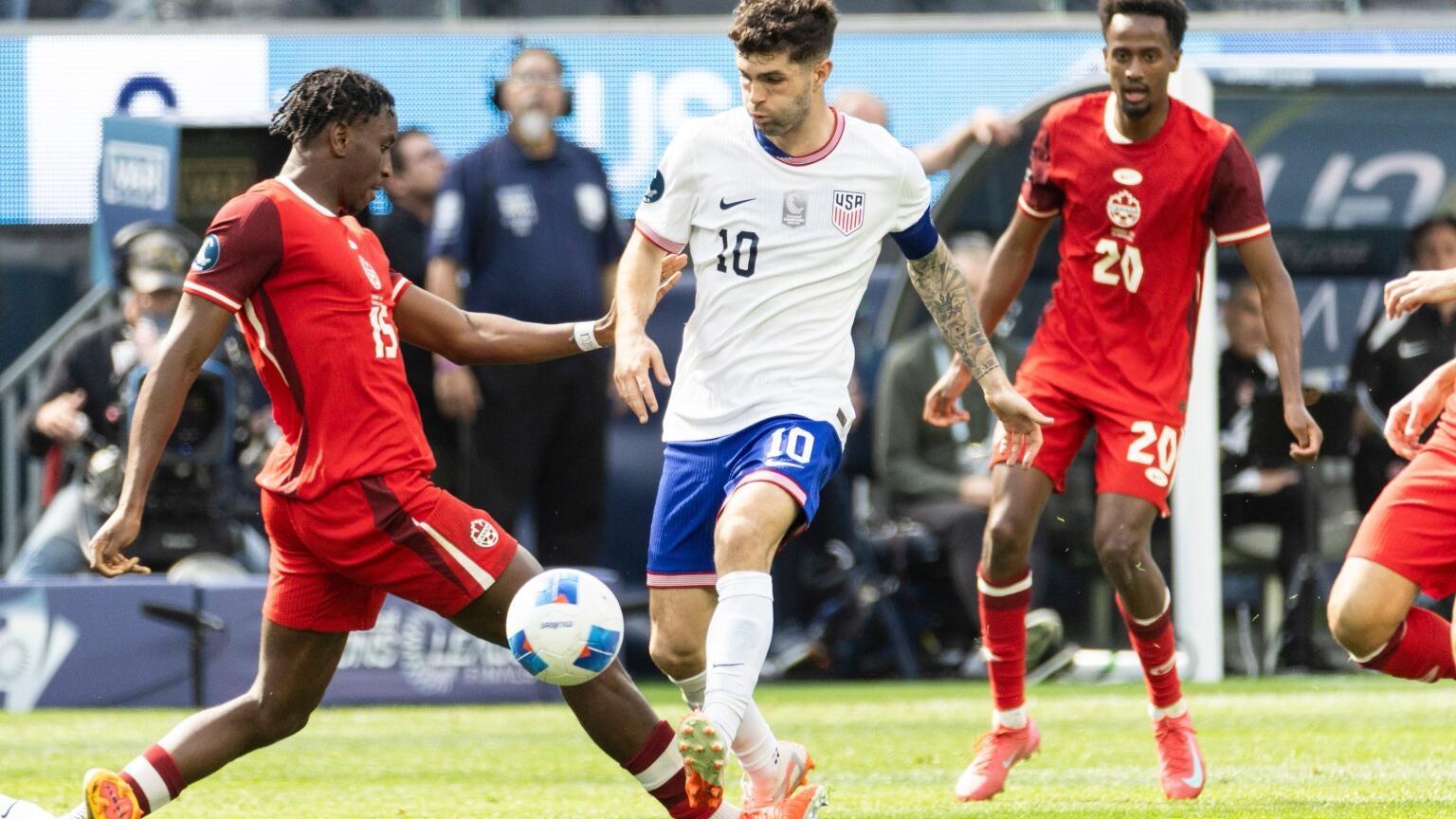
I run a streaming news site. Our team covers sports rights deals, bundle changes, and where to watch all types of sports from football to cricket. Sports come across my desk every day, and while I’ll watch a big game here and there, it’s nearly never something that I purposely seek out.
Admittedly, my daughter plays soccer. She’s 8 years old, but over the past year, her team has gone 15- 1, which felt miraculous. I watched every one of those games from a camping chair on the sideline. That’s the extent of my relationship to the sport. However, for some unknown reason, I have turned on the TV every single day for the last two weeks specifically to watch sports.
48 teams, no context required
The 2026 FIFA World Cup is happening right now across numerous North American cities: 48 teams, games running from noon to midnight, depending on the day. I couldn’t name five players on the U.S. roster without looking them up, I don’t know the history between any of these countries, and I have no idea what any of these clubs are worth or which players cost how much. I am religiously watching anyway.
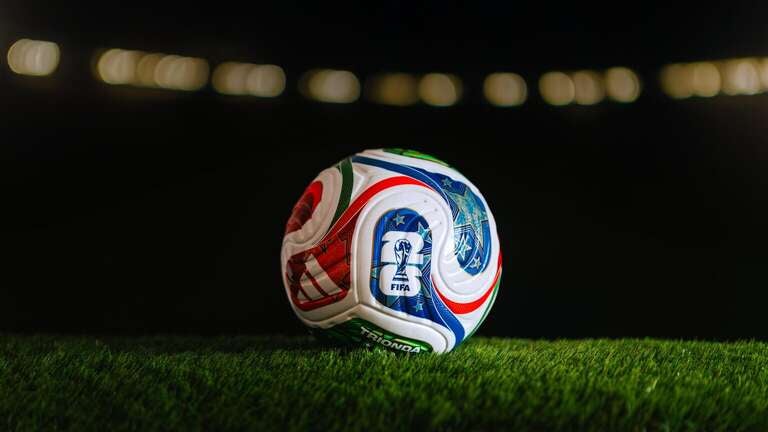
So what’s going on?
Part of it is structure. The World Cup doesn’t ask for any prior investment. A regular sports season rewards years of context — rosters, rivalries, who’s been hurt, what the standings mean in October, etc. For casual fans, the World Cup resets every four years and builds its own narrative in real time. You can show up cold on Day 1 and have all of the context you need by halftime.
Part of it is stakes. In a league season, losing a game in June might mean almost nothing, but here, a single loss can end everything. You don’t need an announcer to explain why that matters; the clock and the score do the work.
Why soccer works on a non-fan
Mostly, I think I’ve gotten wrapped up in the sport of soccer itself. Soccer is the most legible game in the world for a casual viewer. A 1-0 match is not a low-scoring bore — it’s 90 minutes of a door that keeps almost opening; every near-miss registers. Nobody needs to explain the rules. Compare that to baseball, which rewards deep statistical fluency, or basketball, where the score changes so fast that individual moments become little more than a blur. Soccer makes you feel every inch.
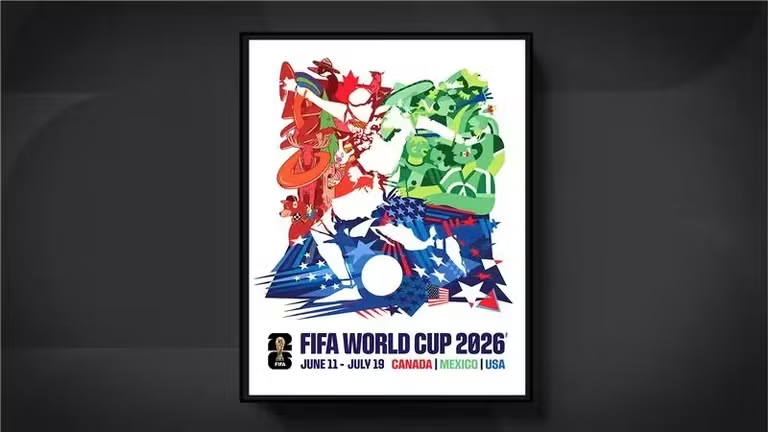
There’s also something about the scale that’s hard to name. These aren’t two cities settling a regional score. The crowd at MetLife watching Argentina isn’t split between home fans and away fans. It’s the world, packed into a stadium, and you can hear it through the TV. I don’t know what to do with that feeling; I just know it’s there. It’s like the emotions and global context of an entire Olympic Games packed into a singular, more focused package.
The same game, a different planet
At my daughter’s age, soccer is pretty much just eight kids chasing the same ball. Watching these matches, ones where players spread across the entire field and somehow always know where everyone else is positioned, it doesn’t even feel like the same game.
With the kids, it can sometimes feel like everyone on the field is magnetically attracted to the ball, and the team that succeeds is the one that most magically finds the narrow gaps between the forest of legs and feet. However, when the best in the world take to the pitch, you understand why soccer — or more appropriately, football — is called “the beautiful game.”
There is strategy, there is planning, there is power, there is finesse. In a sport where a single goal often spells the difference between elation and dejection, there is an admirable, Sisyphean quality that is as inspiring as it is mesmerizing. Needless to say, I’m hooked.
Easy to find, easy to watch
For what it’s worth, actually watching the thing has been easier than I expected. Every match in English is on Fox or FS1, and if you’re streaming, it’s all in one place — Fox One, or whatever live TV streaming service you already have. No hunting around. No figuring out which game is on which app tonight. You turn it on, and the game is there. In a sports streaming landscape that usually feels designed to make you work for it, that simplicity is worth something.
And if you want to really feel something extra, you can always go over to Peacock for a one-stop shop for all of the Spanish-language broadcasts of the tournament.

Fox One
Launched August 21, 2025, Fox One is a direct-to-consumer streaming service from Fox Corporation. Billed as a “major digital initiative,” Fox One brings together the full range of Fox’s leading news, sports, and entertainment brands, offering live and on-demand access in one unified platform.
90 minutes of play
The USMNT is through to the Round of 32, the final is on July 19 at MetLife Stadium, and I will be watching every single match that I can. I still won’t know the players, understand the national rivalries, understand the international impact on each player’s club season, or whatever it is that soccer people argue about. But the World Cup doesn’t require you to know any of that; it just asks for 90 minutes, and is forgiving if you need to come and go during that time.
Live TV Streaming Find out more >
Service Matchmaker
Our Matchmaker lets you compare multiple channels across all live TV streaming services. Just tell us what you watch and we’ll handle the rest.


