Apple Settles Lawsuit with Chicago Over Taxes Placed on Streaming Services
Apple Settles Lawsuit with Chicago Over Taxes Placed on Streaming Services

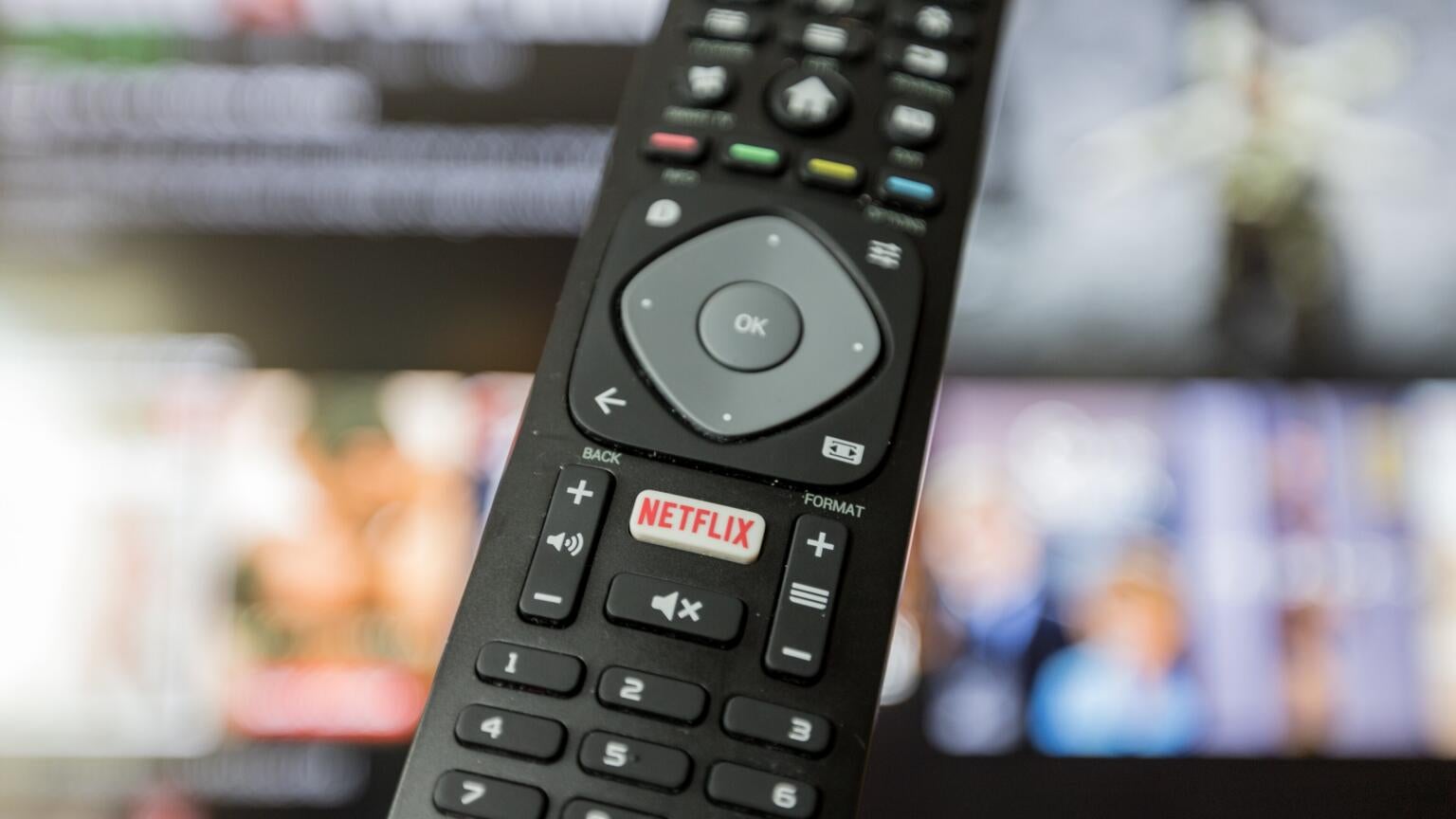
The battle for the future of streaming continues as cities try to tax the industry thanks to dwindling cable revenue. Apple, embroiled in a battle over those fees, made a decisive move to settle with Chicago, leading to the case's dismissal and leaving the door open to challenge tax laws again.
In 2015, Chicago levied a “Netflix” tax, a 9% surcharge on all streaming service subscriptions. The idea stems from similar laws that force cable companies to pay for the right to use public utilities to carry their signals directly into customers’ homes.
However, as traditional TV subscriptions have dwindled, cable companies aren’t the only ones feeling the financial pressure. These surcharges are prevalent in nearly every jurisdiction across the country and with fewer people paying for cable TV these days, local municipalities have seen their revenue drop significantly.
Therefore, a number of cities around the U.S. have attempted to charge streaming services a similar fee. However, what makes these surcharges difficult to justify is that streamers do not need to run lines or use any publicly managed utilities in order to provide their products to customers.
Chicago instead reformatted a different tax program, initially aimed at ticket sales, to include “amusements that are delivered electronically.” While feeling like a loophole in Chicago’s legislation, the tax law is considered the first to directly target streamers. Initially, Apple opposed the tax on constitutional grounds, but that argument was shot down in the court of appeals.
When Apple considered re-filing its lawsuit, Cook County Circuit Court Judge Daniel Duffy dismissed the attempt and the tech giant came to an agreement with the city; details of the settlement are unknown at this time. Dropping the suit may be the best-case scenario for Apple and other streaming services as avoiding an official, precedent-setting ruling means that there will not be a codified decision and other services could challenge that surcharge in the future.
As cable and other linear video platforms are fading, cities that depend on that tax revenue are growing desperate to make up the difference. This isn’t the first time that streaming taxes have made headlines. Last year Arkansas lost a bid to tax streamers based on the use of publicly available broadband facilities. Dallas tried a similar tactic and failed, but multiple cases are currently in litigation across the country.
The idea that these taxes are going to hurt streamers is also absurd. Netflix has stated that these fees should be passed on to the public. Raising their pricing structure to reflect these new taxes is the best way that streamers have to negate the costs, even in municipalities that are not attacking streamers’ pursestrings. While cities try and recoup losses brought on by cord-cutting, the streaming industry’s response of raising prices may help hasten the market’s move to follow is linear predecessor in pricing out some customers. Eventually, consumers may find themselves paying cable-level prices for content that they initially cut the cord for in the first place.

Apple TV
Apple TV (formerly known as Apple TV+) is a subscription video streaming service for $14.99 per month, offering a growing slate of original series, films, documentaries, and specials. Unlike other platforms that combine licensed titles with originals, Apple TV is built entirely around exclusive programming, making it the home of critically acclaimed hits such as “Ted Lasso,” “Severance,” “The Morning Show,” and “Silo.” Its lineup continues to expand with award-winning dramas, comedies, family-friendly shows, and blockbuster original films like “CODA,” which won the Academy Award for Best Picture.