Have streamers beaten down resistance to ads?
Have streamers beaten down resistance to ads?
A new study from Tubi indicates that tolerance for streaming ads is on the rise, marking a major change in customer behavior. But why?

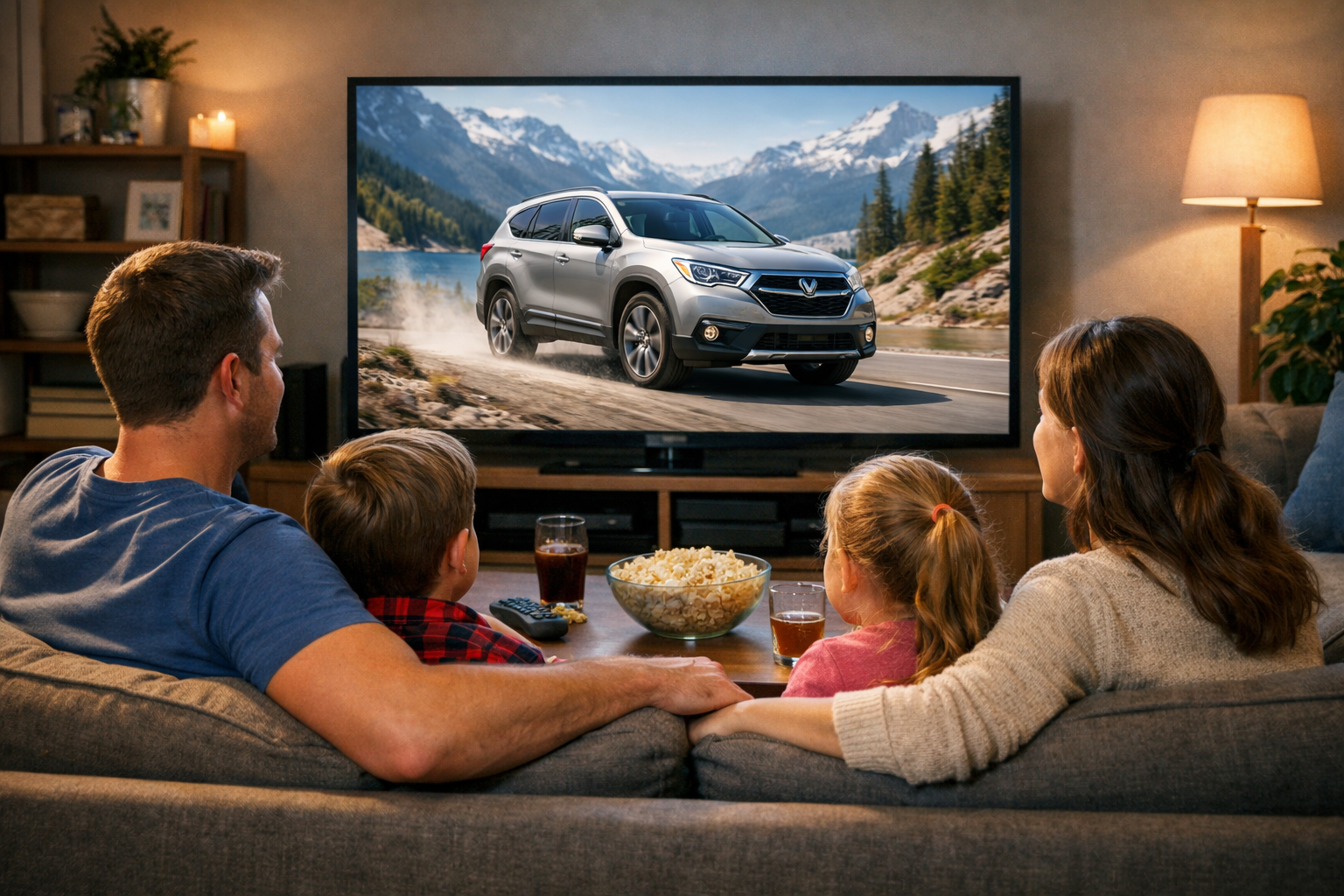
A lack of advertising was one of the key ways streaming services distinguished themselves from broadcast and cable television in their early days. It wasn’t until the 2020s that most major streamers rolled out ad plans, but the changeover has been fast and unforgiving, with some services opting to simply convert existing ad-free customers into ad-supported ones unless they opted to pay more.
When streaming services first began to introduce ad plans, customers took to social media to voice their outrage about what they felt was a broken social compact. However, new data from Tubi’s “The Stream 2026” report indicates that viewers are increasingly tolerant of ads, suggesting that streaming services may have broken consumers’ will to resist commercials in their subscription services. But digging deeper into the report makes it clear that customers aren’t willing to accept ads without conditions, and will only tolerate them if they feel they are getting good value in return.
The data from Tubi shows that 32% of respondents say they do not mind ads during streaming, an increase of 14% year-over-year. In 2026, Tubi found that audiences will be 12% more receptive to ads while streaming, and that 18% of participants in their study reported that ads actually enhanced their watching experience.
Reading those numbers, it’s hard not to wonder if streaming services have simply exhausted customers’ willingness to resist ads. The data from Tubi is reinforced by a 2024 study from Hub Research that showed ad tolerance on the rise. Cost is a major factor, as ad-supported streaming plans are usually at least 30% cheaper than ad-free ones.
The key to ad tolerance among streaming viewers is value, which is the true lesson in Tubi’s “The Stream” report. Seventy-six percent of respondents to that survey said they would much rather watch ad-supported content on free platforms versus paid ones, an increase of 8% year-over-year.
Viewers are willing to act on their resistance to paying for streaming with ads, as well. More than half of respondents to Tubi said being asked to pay for ad-supported content is a major reason they would cancel a streaming service, and the number jumps to 65% among Gen Z viewers.
Ad relevance also makes a big difference to customers. Being shown a never-ending stream of commercials for products and services a given viewer would never use is a fantastic way to increase audience exhaustion, whereas 78% of participants in Tubi’s survey said ads are more acceptable when relevant to their interests.
The data from Tubi is backed up by numbers shared by LoopMe in 2025, a year after Prime Video changed its existing tier (and all customers subscribed to it) from ad-supported to ad-free. Following that shift, the survey found that only 38% of viewers thought of the service as a good value, versus 85% before the changeover.
The data serves as a cautionary tale for paid streaming services, which once again find themselves in a dilemma. Ad revenue is a sure stream of income, more reliable than subscription fees, since customers can cancel their subscriptions at any time. But viewers still aren’t eager to pay for services that make them watch ads, which explains why HBO Max increased its ad load so quietly last year.
Streamers need ads if they’re going to be profitable. They tried for years to make the financial side of video streaming work using only customer subscription dollars, and the economics simply didn’t work. They’ve now reached a place where viewers are somewhat accepting of ads while watching, but they’re extremely conscious of the value they get in return for their money. Subscription services with ad-free plans have to keep those plans a good value in the eyes of viewers, or continue to watch them go to services that at least opt not to charge customers to watch with ads.

Prime Video
Prime Video is a subscription video streaming service that includes on-demand access to 10,000+ movies, TV shows, and Prime Originals like “The Lord of the Rings: The Rings of Power,” “Jack Ryan,” “The Marvelous Mrs. Maisel,” “The Boys,” and more. Subscribers can also add third-party services like Max, Showtime, STARZ, and dozens more with Prime Video Channels. Prime Video also offers exclusive live access to NFL Thursday Night Football.