What Password Sharing Measures Could Netflix Adopt to Appease Users While Still Being Effective?
What Password Sharing Measures Could Netflix Adopt to Appease Users While Still Being Effective?

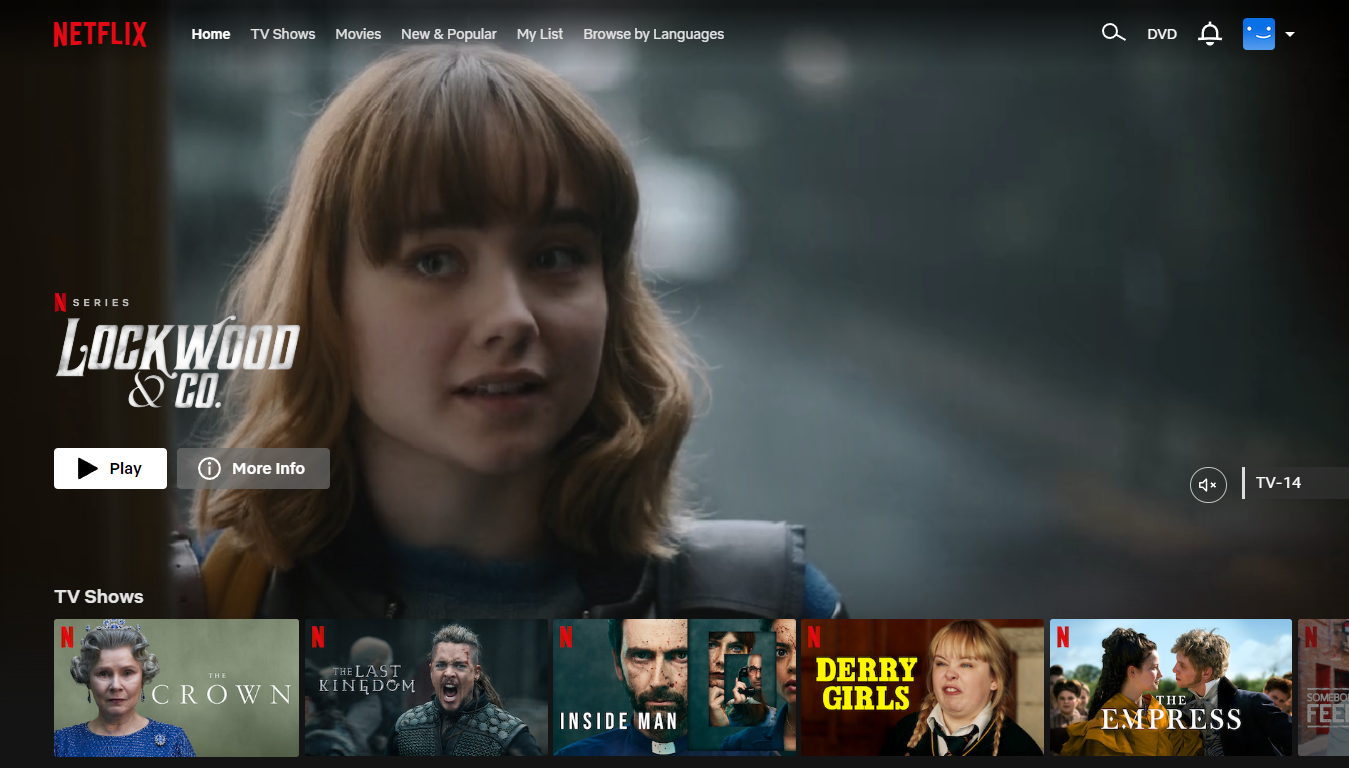
Netflix dominated the news cycle last week, but not in a way that any company executives likely would have chosen. Thanks to a supposed slip-up on the company's Help Center page, password-sharing rules currently in effect in Chile, Costa Rica, and Peru were posted as being in effect for users in the United States and Canada.
The error was eventually corrected, but not before most major outlets had already picked up the story that we broke at The Streamable that Netflix would potentially be requiring users to log in on their devices via their home Wi-fi every 31 days, or risk being blocked from using the service.
Netflix insists that these rules were never intended to be enforced in the U.S., and that it is still determining what methods will be most successful in keeping users from sharing their login information. The company still says it is on track to roll out anti-password sharing rules in the U.S. during the first quarter of 2023, so users will undoubtedly know more in the coming weeks.
Given the immediate negative reaction of users to the errantly-posted rules listed by Netflix last week, it’s safe to say that device blocking of any kind would be met harshly by customers. But what could Netflix do to more gently introduce anti-password sharing measures and prevent a mass exodus of subscribers?
Give Ample Warning
One of the biggest reasons the password-sharing rules posted incorrectly to the U.S. Help Center page drew such fervent criticism was because they came unannounced from the company. Giving people time to adjust and prepare for such a big change is crucial for Netflix, if for no other reason than to show it truly is sensitive to its users’ needs.
“Ample warning” is a policy Netflix should stick to when determining what its new rules will be, as well. When a device outside the home accesses the subscriber’s account, Netflix could send simultaneous real-time notifications to the owner and the sharer. The sharer could be granted a limited window (say, 30 minutes) to finish what they’re watching before they are prompted to try their own account instead.
Max Out Simultaneous Streams in Different Locations, Offer Guest Devices
Netflix already limits the number of devices that can watch the service at the same time on one account. This number varies depending on which pricing tier you’re subscribed to, ranging from one to four simultaneous streams.
Netflix could simply decide to max out the number of screens available to use in multiple locations. Using IP addresses to track locations is easy enough, and that would prevent families with kids in college or the military from being kicked off at inopportune moments.
The service could also let paying subscribers share their accounts via guest devices. A user could allow five logins per month on select trusted devices, for instance, and once those five guest logins are used, customers would have to wait until the following month to share their password again.
Offer Special Introductory Rate
The most obvious reason that Netflix is so keen to stop password sharing is the simple fact that it can’t make money off users who don’t pay, especially on the ad-free tiers. The company clearly wants to monetize those users, but it will be difficult to make the argument that they should pay for something they’d been getting for free without offering a sweetener first.
Netflix should strongly consider offering a special introductory rate to users currently using someone else’s log-in information. If they could sign up for $4-$5 per month for three months, and then be stepped up to $6.99 per month, it’s more likely that password sharers would choose to stay on with Netflix instead of simply leaving and never coming back.
Launch a FAST Service
This would require a short-term investment of more cash, but in the long term it would help Netflix continue monetizing users it might otherwise lose altogether. Free ad-supported TV (FAST) channels don’t offer the same potential for earnings as an ad-supported subscription does, but they would still help Netflix keep password-sharing users who were less likely to pay for their own accounts anyhow.
The service has an enormous library of shows and movies it could use for a free tier. Offering a free level would give Netflix the chance to re-monetize those shows, and snag at least a few users who would have left for good as well.
Try Pay-Per-Minute Streaming
Subscription video-on-demand is, by nature, something of a buffet-style experience. Instead of a la carte programming, a streaming subscription is an “all you can watch” affair, and once you’ve paid your monthly fee, there’s no limit to what you can watch.
Netflix could upend that paradigm. If it began charging users a subscription with no monthly fee, it could set a rate for streaming by the hour, or even by the minute. That rate could be as low as $1 per hour or less, and could vary depending on whether users want ad-free or ad-supported streaming. This would give users the ability to stream as much or as little content as they want, and pay for only what they watch.

Netflix
Netflix is a leading subscription-based video streaming service that offers on-demand access to an extensive library of over 3,000 movies, 2,000+ TV shows, and a growing collection of acclaimed Netflix originals. Renowned for producing groundbreaking content, Netflix has become a cultural powerhouse with hit originals like “Stranger Things,” “Wednesday,” “Squid Game,” “The Crown,” “Tiger King,” “Bridgerton,” “The Witcher,” and “Black Mirror.”