Will Apple’s new CEO ruin Apple TV?
Will Apple’s new CEO ruin Apple TV?
New chief executive John Ternus wants to make Apple TV ‘more competitive,’ but he cannot lose sight of what makes the service unique.

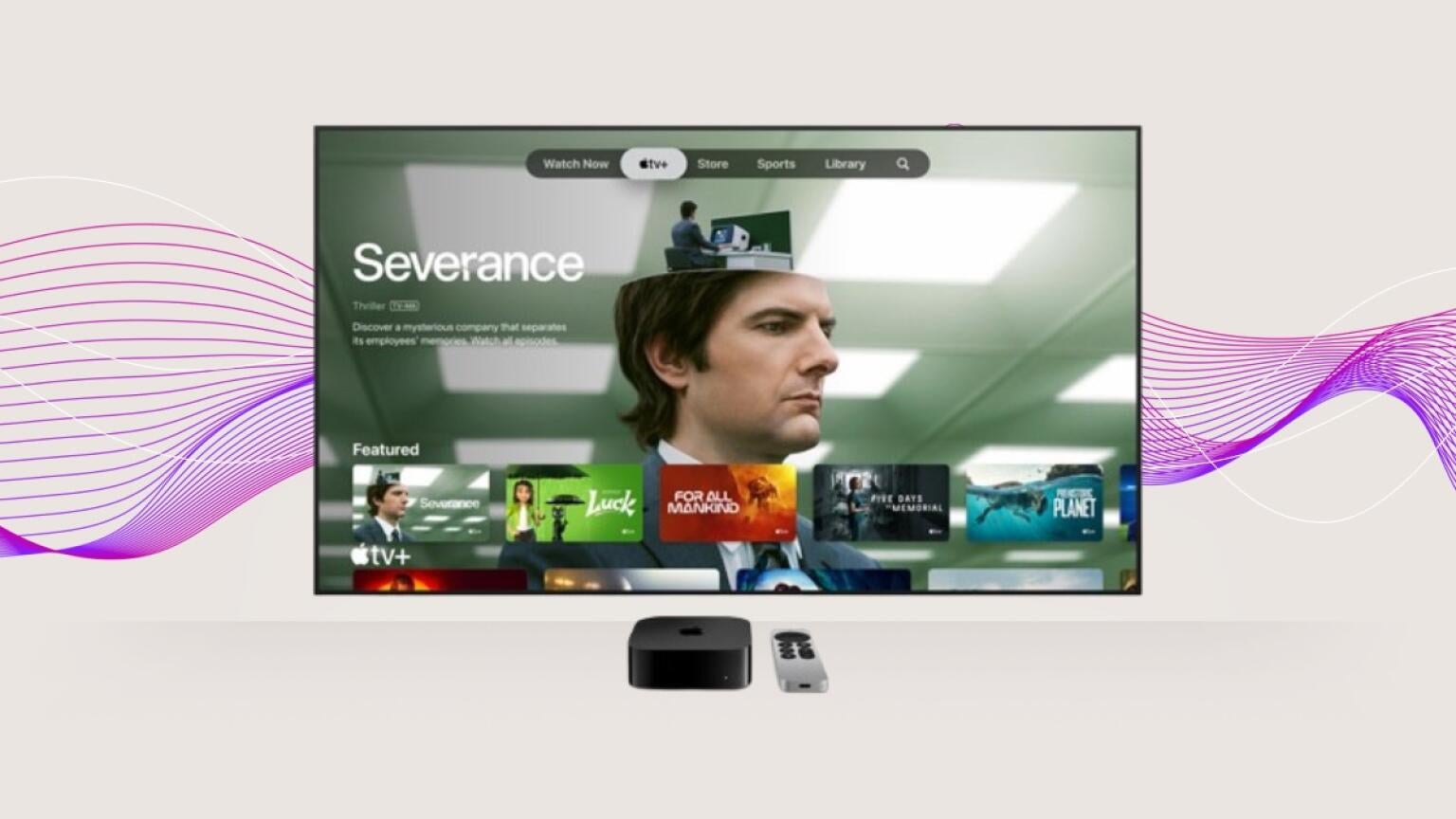
Big changes are afoot at Apple. This week, longtime company CEO Tim Cook announced that he is stepping aside, and Apple’s Head of Hardware Engineering, John Ternus, is set to step into the lead executive role. Most analysts are expecting a new era of Apple hardware, considering Ternus’s background, but the company is far more than a device manufacturer these days.
Apple has, among other corporate segments, a streaming service and movie studio to its name. Ternus is obviously aware of this; Deadline reports that Ternus has a strong relationship with Apple Services SVP Eddy Cue, who is responsible for overseeing the Apple TV streaming service. The change in leadership indicates that transformations could be on the way for Apple TV, but Ternus has to be careful not to lose sight of what makes the streamer special in a blind chase for profit.
Ternus wants to make Apple TV “more competitive,” as one Apple insider told Deadline this week. People in the know at Apple also told Deadline that the incoming CEO is a fan of the streamer’s programming and is a lover of Formula 1 races; Apple TV became the American rights holder of Formula 1 last October.
The keyword in the insider’s comment is, of course, “competitive.” The future of Apple TV could well hinge on what Ternus’s definition of that word means as applied to the streamer. On the one hand, it could indicate that Ternus intends to keep sinking resources into the streamer, despite estimates — Apple TV has never confirmed how many actual customers it has — that show only moderate subscriber growth over the years.
On the other hand, it could mean that Ternus wants to start chasing the goal that other streamers have been pursuing more seriously, profitability, as investors have grown less impressed with subscriber data. As with its subscriber numbers, Apple has never shared details on whether its streamer is profitable, but one analyst report from 2025 revealed that the service lost more than $1 billion annually.
Most streamers have followed similar roadmaps to reach profitability: routinely raising prices and launching an ad-supported subscription option in order to begin collecting advertising revenue on top of subscriber fees. Apple TV’s big-time sports deals could be a hurdle to overcome in reaching profitability; the streamer has deals to stream every MLS game, as well as F1 races, and weekly MLB doubleheaders.
Sports rights are incredibly expensive, a lesson NBCUniversal is re-learning even now. The addition of NBA games to Peacock has led to continued losses for the streamer, even as it gains new subscribers. But Apple’s MLB deal runs only through the 2028 season, and in 2025, it agreed with MLS to end their existing agreement in 2029, three years earlier than its original expiration date. With those deals coming off the books in the relatively near future, profitability will be within easier reach for Apple TV, assuming it adds no new sports rights in the meantime.
Speculation on whether or not Apple TV would launch an ad tier has gone on for years, but nothing has come of it so far. Doing so would certainly help Apple open a new source of revenue, but for customers, it would take away the last refuge of completely ad-free streaming among the top American services. Apple TV is the only streamer that doesn’t currently offer an ad plan, and at $13 per month, it remains one of the cheapest ad-free services available.
Another tactic major streamers have adopted to boost engagement is to license a wide range of titles from other studios. Apple TV has long shunned this practice, preferring to keep its library stocked only with its own high-quality original TV shows and movies. While that has largely remained true, there have been occasional exceptions; in 2024, Apple TV licensed several batches of titles from other studios. But when those deals expired, Apple TV let the movies go without making any public effort to bring them back or to replace them.
The streamer has a firmly established reputation nowadays, thanks to titles like “Severance,” “Ted Lasso,” and “Your Friends & Neighbors.” Adding a curated selection of shows and movies complementary to what’s already on Apple TV might be a good idea, as long as funds aren’t diverted away from Apple originals to make it happen.
The goal of expanding Apple’s library would likely be less about attracting new customers, but rather retaining the ones that are already there. If the streamer is able to offer something familiar for users to engage with in between the marquee prestige series, it, theoretically, would make it harder for them to cancel until the next season of “Shrinking” premieres.
However, while piling a load of licensed titles into its catalog may keep viewers logging into the service, it risks taking away what has made Apple TV’s growing archive of high-quality originals so special.
Apple’s new CEO will want to put his stamp on all aspects of the company, including Apple TV. But Ternus must take care not to lose sight of what has made Apple TV so special in a mad chase for profit. Its original TV shows and movies are well-loved, and the streamer should take great care and consideration before licensing a huge bundle of titles from other studios or forcing an ad tier on subscribers.

Apple TV
Apple TV (formerly known as Apple TV+) is a subscription video streaming service for $14.99 per month, offering a growing slate of original series, films, documentaries, and specials. Unlike other platforms that combine licensed titles with originals, Apple TV is built entirely around exclusive programming, making it the home of critically acclaimed hits such as “Ted Lasso,” “Severance,” “The Morning Show,” and “Silo.” Its lineup continues to expand with award-winning dramas, comedies, family-friendly shows, and blockbuster original films like “CODA,” which won the Academy Award for Best Picture.