As Streaming Service Pare Down Their Content Output, Will Customers Be Left Wanting More?
As Streaming Service Pare Down Their Content Output, Will Customers Be Left Wanting More?

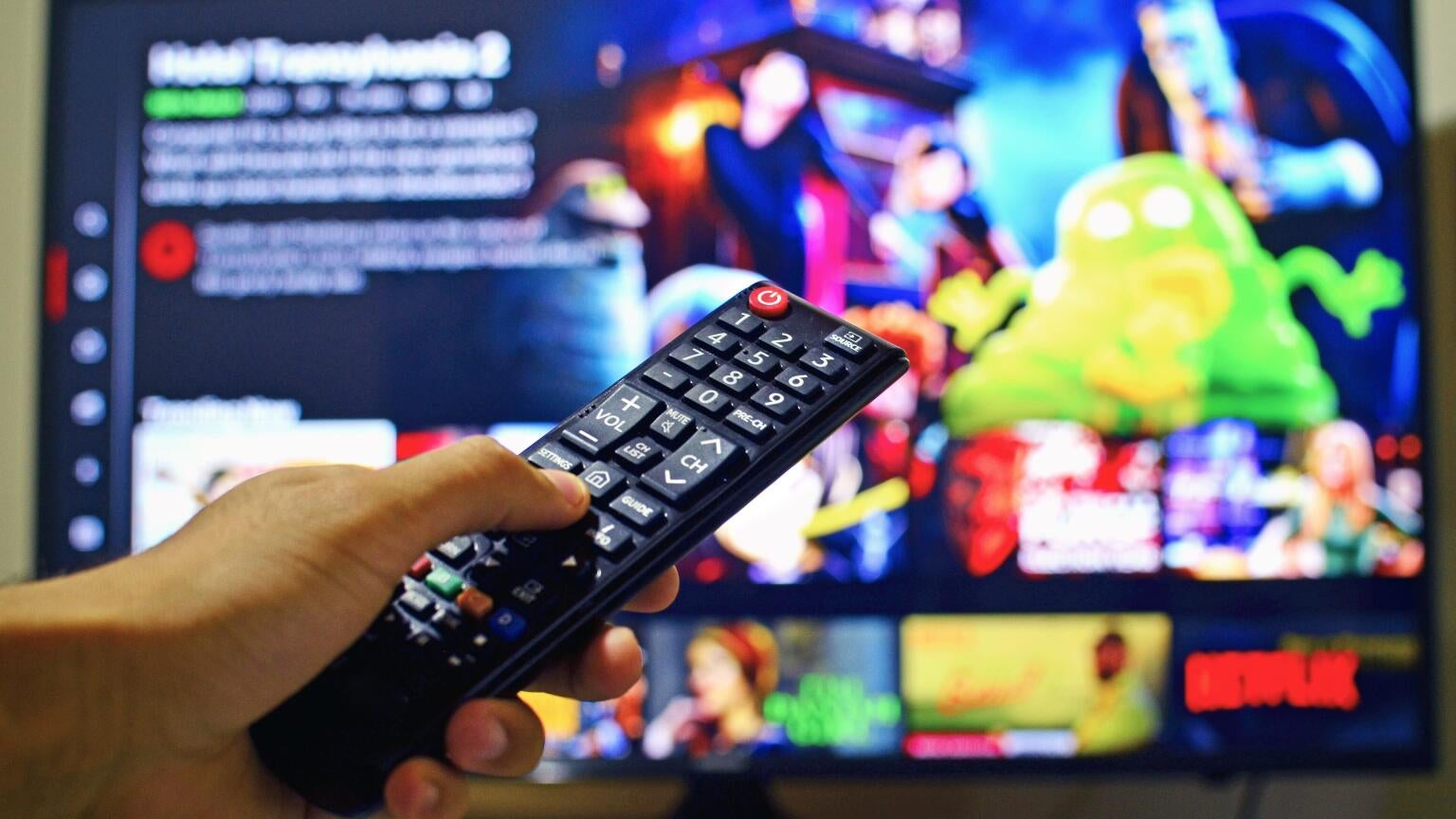
It’s a fascinating time to observe the evolution of the streaming industry. The market has changed dramatically just in the last five years, from a relatively small pool of streamers that served large — and overlapping — market segments to a large and fragmented group of subscription video services, many of which want to be the next Netflix.
The industry is crying out for streamlining and aggregation, and media executives with suffering bottom lines are being forced to listen. Instead of discussing ways to bring more streaming platforms together, however, they’re thinking about the best ways to more widely distribute their content.
Puck News's Julia Alexander reasons this next phase in the evolution of the industry will bring about a slowdown in content creation. Streamers can afford to pare down on the number of originals they create and still keep customers, she argues, if they also have enough library content to keep bargain-conscious users outside their core subscriber group engaged with the service.
Essentially, what this means is that instead of three or four Star Wars series per year, Disney+ should focus on one to two. At an estimated $15 million per episode for Star Wars and Marvel series, by paring down the number of series released in a calendar year, Disney would save hundreds of millions of dollars, while likely having very little impact on subscriber retention. If the series are windowed properly, with other major tentpole releases mixed in throughout the year, there should still be enough content to keep most customers engaged.
Warner Bros. Discovery has been at the forefront of cutting down its content creation and library for months. The service has been offloading content from its bottom line since the summer of 2022, and has begun making deals with free streaming services like Tubi and Roku to license canceled series from HBO Max. WBD is also launching a free ad-supported TV (FAST) service of its own, as a repository for shows it thinks may do too well if licensed to competitors.
Alexander also spoke with a number of streaming industry executives from different companies, and each one is in the midst of an extensive review of their content library to determine which shows they could potentially license to other outlets.
On its face, this is the opposite of what streaming customers report wanting most: aggregation. A survey from December found that 55% of streaming users are overwhelmed by the number of services available, and 72% grow frustrated trying to find something to watch.
That’s leading to customers taking much longer to find content, which could mean more users just giving up and turning off their TVs altogether. Streaming companies risk exacerbating this issue by distributing their content even more widely across the media landscape.
The trick for streamers in this next phase of the industry will be to figure out which shows they can license without helping competitors too much, and without alienating their core subscribers. The calculus is highly advanced, but cracking it will be key in determining which streamers will survive the next phase of the so-called streaming wars, and which will not.