Review of Netflix’s first-ever MLB Home Run Derby broadcast
Review of Netflix’s first-ever MLB Home Run Derby broadcast
There were some bright spots but also there were some glaring issues with the broadcast

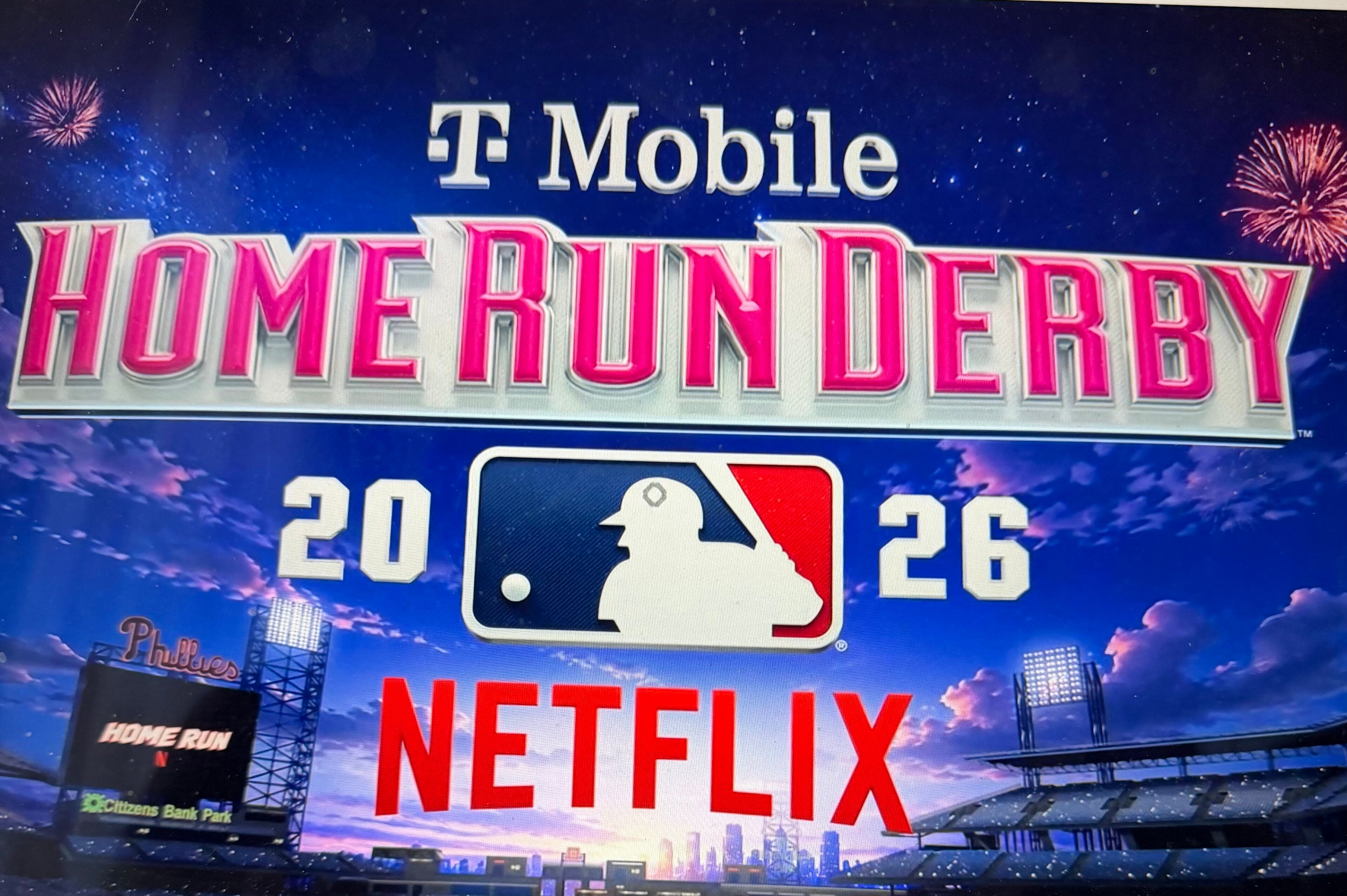
On Monday night, one of the most entertaining nights in baseball made its way to Netflix for the first time as the streaming giant broadcast the Major League Baseball Home Run Derby. There were some bright spots and some things that will need to be cleaned up moving forward, but overall, it was an exciting night of dingers, so let’s run through the highlights and the lowlights of the midsummer exhibition.
How was Netflix’s 2026 Opening Day MLB coverage?
The pregame and postgame shows
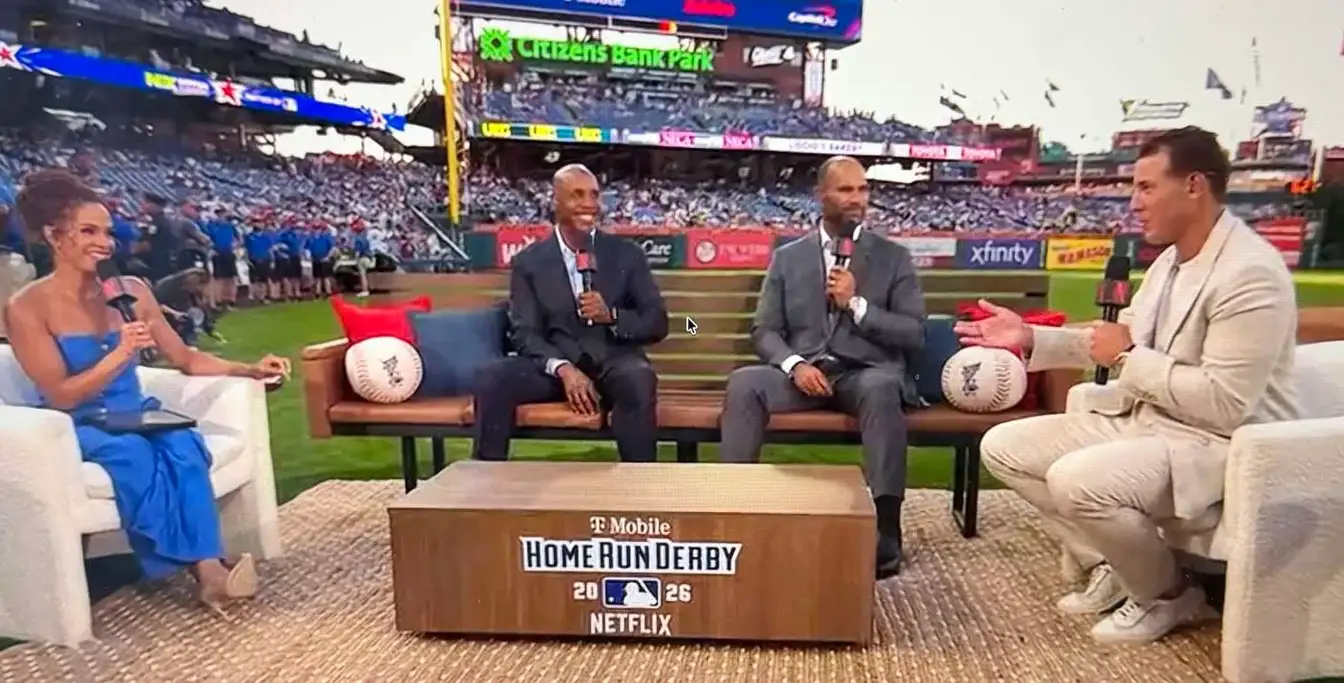
The pregame show was led by Elle Duncan, who led the broadcast for the Opening Day game on Netflix, with Barry Bonds, Albert Pujols, and Anthony Rizzo taking up the other seats in the “lounge.” This was a good mix of characters, as Duncan continues to excel in her hosting responsibilities with a good grip on maintaining the flow of the broadcast. Similarly, Rizzo continues to shine at not only bringing big league expertise to the proceedings, but also proving that he is equally skilled at the entertainment aspect as well, regularly finding ways to grab viewers’ attention.
The first thing Duncan said when they started the show was, “I like big bats, and I cannot lie,” and that probably would have been little more than a fun, throwaway line to open the broadcast had Bonds and Pujols not looked shocked that she said it. Their responses led to an incredibly memorable moment to open the show. The chemistry between the four was solid throughout, and the players each brought a unique perspective to the derby, including Rizzo, who only participated once and did not do well.
Click image to expand to full size.
The set looked great, and it really popped on screen. The inclusion of a couch that looked like a bench was a nice touch that really hit (no pun intended) the baseball themes well. Hunter Pence popped in from the stands periodically to interview fans, which was a nice touch in my opinion.
The postgame was shorter, but I enjoyed the interview with Derby champion Jordan Walker and his family. It is easy to forget that these guys are all human, but anything that highlights that they are more than robotic ball-hitters is a good thing. His parents were a highlight of the entire broadcast, from them watching him hit tanks to the interview afterwards.
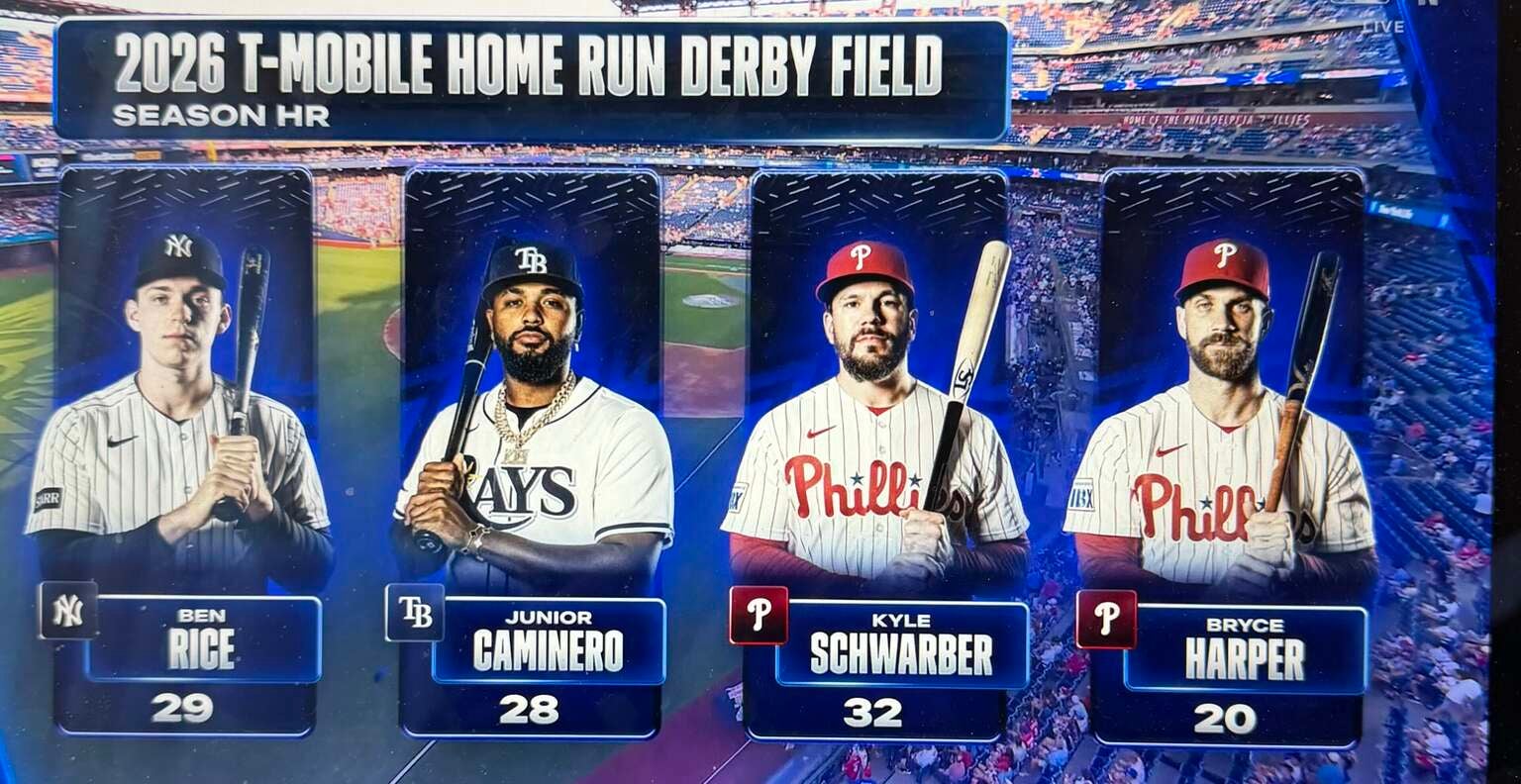
Take a look at Netflix’s presentation:
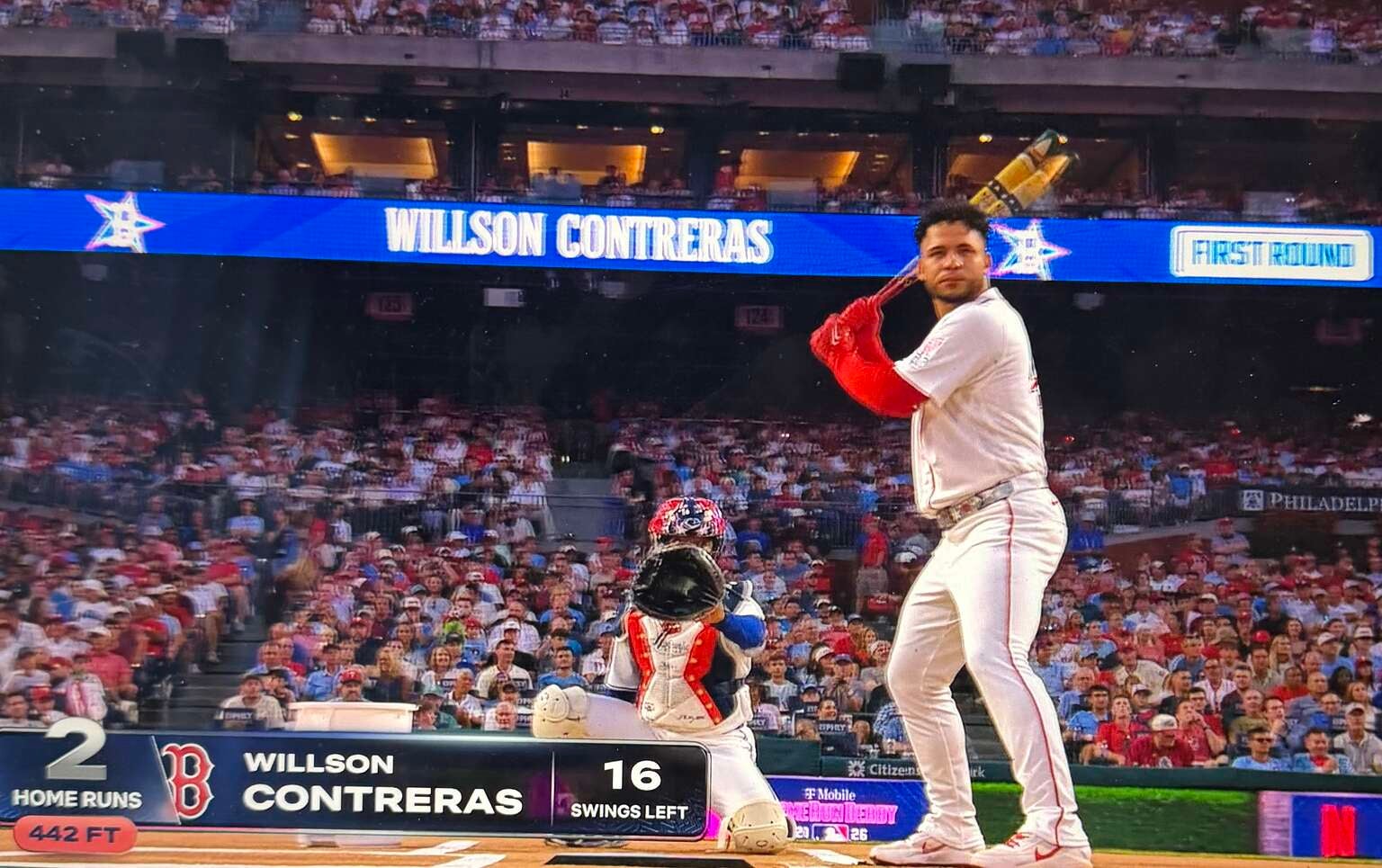
Click images to expand to full size.
Netflix’s presentation and functionality
Similar to the Opening Day game, the Derby started 25 minutes past the noted starting time, which is commonplace for these events, but still annoying. But even once it got going, there was a lot of time in between hitters, especially in the early going. Fortunately, those time gaps got shorter, and the broadcast got moving.
While it is not a surprise given the state of paid-TV, including on streaming, there were a lot of commercials throughout the broadcast. They tended to be the standard three-minute breaks, and Netflix had a timer running down, so you knew exactly when the festivities would return.
I thought the score bug was good; simple and easy to read, which is all you need for those things. However, I am not sure why there was no scoreboard on the screen at all times. It would have been nice to see where the players stood after every swing, but instead, it was up to the head announcer, Matt Vasgersian, to keep the viewers up to date with who was where in the standings.
When the championship round started, they announced the two guys who had made it, and while I understand building excitement, that felt unnecessary since it was 10:30 p.m. ET and the Derby had already been going on for two hours. Not to mention, the thing that gets people excited is the home runs, so any stoppage of that seems counterproductive.
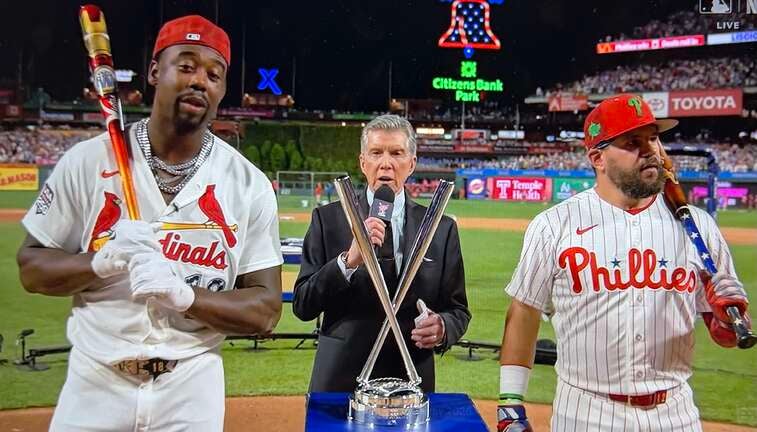
The Derby broadcast
The actual broadcast itself left a lot to be desired when it came to camera angles, which is the most important thing in a Home Run Derby to build hype and excitement. Instead of angles like behind the batter to see the trajectory of the ball off the bat, overtop to really see contact, or from the outfield stands to see the ball incoming, Netflix seemed to overly rely on the close-up-to-the-batter angle until they hit the ball, and then the view would quickly shift to the ball in midair, which at times made it hard to find the ball. Also, the selected angles at times made it look like balls were hit out of the literal stadium with sudden movements and massively high angles, only for the ball to fall 30 feet short of the wall. With a crew that doesn’t always work together or broadcast baseball, I suppose that’s understandable, even if everyone involved is a professional.
The worst example of this was during the final round. Walker was making his comeback and had the same number of home runs that Kyle Schwarber did with one swing remaining. When Walker hit the last ball, the camera stayed on him until the ball was halfway in the air and then cut quickly to a shot of the ball. I know it isn’t a perfect science, and I am certainly not an expert when it comes to television production, but there has to be a better way to show that than trying to guess what happened by Walker’s face and the crowd’s reaction. What should have been a monumentally exciting moment, witnessing a dramatic come-from-behind victory, was robbed of a lot of the juice because of poor camera direction.
Also, the broadcast flashed a graphic saying Jordan Walker won during the semifinals. I am not a conspiracy theorist, and I know all the graphics are pre-made for timely purposes, but when the eventual winner is “spoiled” a round early by what was likely someone pressing the wrong button, it is not a great look — especially alongside all of the VAR and corruption conversations happening around the FIFA World Cup.
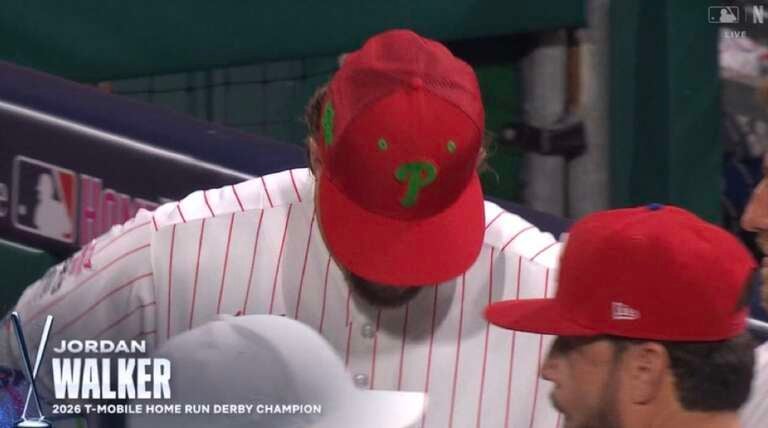
Why did they do that?
I know Netflix has to promote Netflix, but the booth of Will Ferrell, Luke Wilson, and Jimmy Tatro during the opening ceremony and player introductions felt wildly out of place. They were just there to awkwardly make jokes, and there was some delay for them because Ferrell kept talking over Buffer as he was announcing. Yes, Netflix, we know “The Hawk” is coming out on Thursday, but we did not need an awkward “comedy” bit that didn’t really land to remind us.
I did think the pre-game show was a little long, and if there was one thing to cut out, it was “The Batting Stance guy,” Gar Ryness. Ryness did his impressions of the batters in the Derby and the pre-game panel, and while it wasn’t egregiously long or anything, it felt out of place and like Netflix was trying to be different than a regular baseball broadcast, but not actually landing on anything that was either instructive or entertaining. Also, in my opinion, it seemed like Barry Bonds and Albert Pujols were not that into the segment (which I don’t blame them for), even though Rizzo did his best to engage.
Normally, I really dislike the introductions, but the addition of Michael Buffer and the WWE theme was cool, and they did not seem to go on too long, so those were okay. Still, I think we could find a way to make them shorter. People are tuning in to watch guys go yard; the pomp and circumstance is fun, but it shouldn’t take up a considerable amount of time on the broadcast.
The verdict
All in all, it was a decent showing from Netflix for its first time broadcasting the MLB Home Run Derby. This year’s format changes and the suspense of the final round helped immensely, but, in general, the announcers did a great job of leading viewers through the event. Fortunately, the players elevated the exercise from exhibition to something memorable, as they tend to do with events like this.
If the 2027 Home Run Derby is back on Netflix, adding in some unique camera angles that you wouldn’t normally get to see in a baseball game should be at the top of the priority list. This is meant to be a spectacle, a showcase of the game’s greats. It shouldn’t look like a standard cable broadcast of a batting practice session. Give the viewers something they’ve never seen before. Use the latest technology to emphasize just how special what these athletes are doing is. Netflix is the largest streaming service in the world; don’t just roll out a broadcast that looks and feels like it could be happening on any of MLB’s linear broadcast partners. Give the fans something exciting that brands the Derby as a Netflix staple, so no one will ever want to watch it on ESPN, Fox, NBC, or TBS ever again.

Netflix
Netflix is a leading subscription-based video streaming service that offers on-demand access to an extensive library of over 3,000 movies, 2,000+ TV shows, and a growing collection of acclaimed Netflix originals. Renowned for producing groundbreaking content, Netflix has become a cultural powerhouse with hit originals like “Stranger Things,” “Wednesday,” “Squid Game,” “The Crown,” “Tiger King,” “Bridgerton,” “The Witcher,” and “Black Mirror.”