Roku Wants to Show Its Ads, Even if You’re Not Using a Roku Device; Streamer Working on Patent to Insert Ads in Third-Party Platforms
Roku Wants to Show Its Ads, Even if You’re Not Using a Roku Device; Streamer Working on Patent to Insert Ads in Third-Party Platforms
A new report suggests Roku is trying to figure out a way to show ads on third-party devices plugged into Roku TVs.

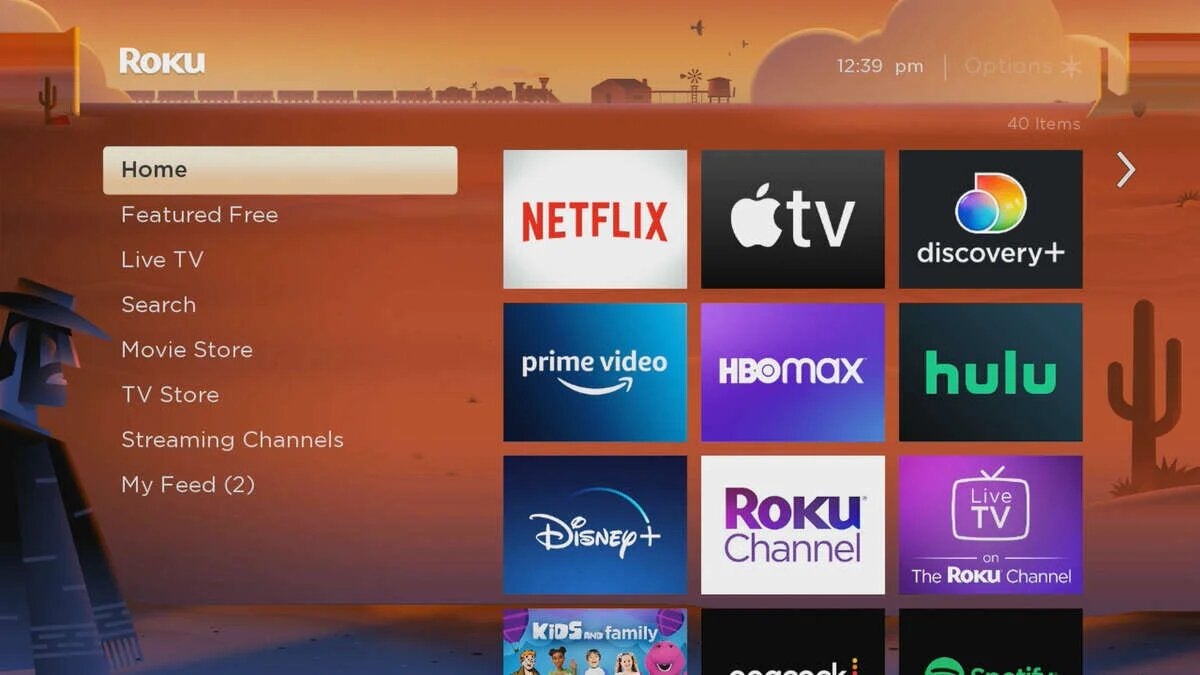
One of the biggest lessons that casual observers can take from Walmart's acquisition of TV manufacturer VIZIO this year is that TV makers aren’t generating much profit from sets themselves. The real dollars come from controlling a digital platform where ads can be injected, and Roku is well ahead of the curve on that score. It had 80 million active device accounts at last count, but the company is still not satisfied with the volume of ads it’s delivering to customers. A new report from Janko Roettgers' newsletter Lowpass says that Roku is working on a patent that will allow it to show its own ads while video on third-party devices like PlayStations, DVD players, or other streaming devices that are plugged into the HDMI ports of Roku TVs are paused.
- The patent identifies several ways that Roku TVs would be able to identify when a video is paused on a third-party device.
- Roku TVs could scan the content playing to try and deliver an ad relevant to the viewer’s chosen title or game.
- Roku offers two lines of smart TVs at multiple price points.
As of now, customers who plug in a game console or a streaming player like Apple TV or Amazon Fire TV into their Roku TV are lost to Roku ads while they’re using that device. But the new patent that Roku is seeking would change that, giving it the ability to reach audiences with commercials during pauses while they’re streaming a show, or even playing a video game.
This sounds like a risky proposition for Roku; after all, any customer whose video game is suddenly interrupted by an ad for car insurance or condensed soup is highly unlikely to purchase a Roku TV or streaming device ever again, and will probably make their objections known loudly to as many friends as possible. However, Roettgers reports that the patent application includes several methods for a Roku TV to detect when the action on a screen is actually paused.
Another challenge for Roku is to deliver ads that are actually relevant to viewers, a problem that has plagued advertisers since the beginning of the industry. Roku sets could use existing content recognition technology to identify what’s being watched, match up the current image on the screen with existing content databases, and pull a correspondingly relevant ad to show.
Will Customers Put Up with Third-Party Device Pause Ads?

Roku’s own data shows that it lost millions of dollars on its smart TVs in 2023, but that didn’t stop it from doubling down and releasing a second, higher-end line of sets this year. Roku created a net profit of $1.6 billion from its advertising and services segment, demonstrating beyond a doubt where the true windfalls in device manufacturing are to be found.
But Roku has already been testing the limits of its users’ patience. At the January 2024 Consumer Electronics Show, Roku pledged that it would begin integrating more ads into its home screen. But the real boat-rocker for many Roku device owners was a recently-introduced update to the company’s terms of service.
That update includes formerly-enforced language that disallows Roku owners from originating or joining lawsuits against the company, as well as new provisions that stipulate that any legal disputes must be brought to Roku’s lawyers first for arbitration. In other words, the company will get to decide if it wronged customers in any way, and what consequences (if any) there will be.
Shortly after those updated terms of service rolled out to customers, news broke that more than 15,000 Roku device accounts had been hacked by thieves who used stolen credit card information to purchase streaming accounts. The timing of events led to speculation that Roku updated its terms of service before the hacking news became public in order to further insulate itself from customer reprisal through legal action.
The patent application does not necessarily mean that Roku will eventually go ahead with its plan to inject ads into third-party devices. But it does suggest that the company is looking for new ways to deliver ads by any methods necessary, and owners of Roku smart TVs and streaming devices should take note, especially if they consider themselves ad-averse.

Roku Channel
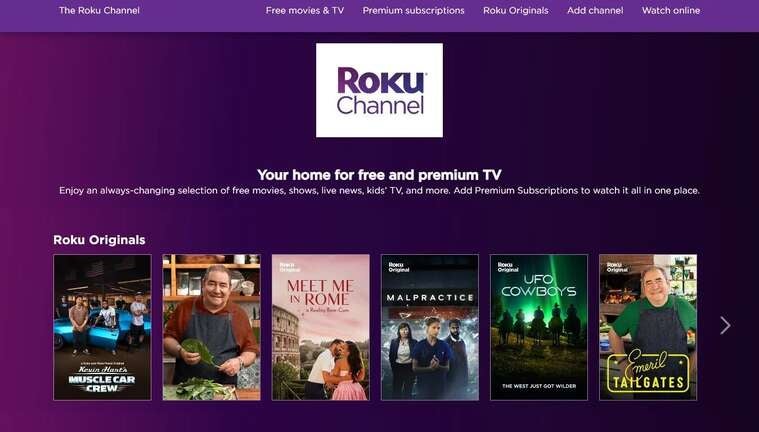
The Roku Channel is a free, ad-supported streaming service that offers a broad mix of movies, TV shows, live linear channels, and original programming. Available to all viewers — not just Roku device owners — the service features licensed content from major studios alongside Roku Originals, which include exclusive series, movies, and specials previously produced for Quibi, as well as new original projects developed specifically for the platform.