Roku’s smart home strategy is making its streaming devices harder to ignore
Roku’s smart home strategy is making its streaming devices harder to ignore
For years, Roku has been known as the simple, straight-forward streaming platform, but the company is quietly expanding to more areas of the home.

When most people think of Roku, they picture a simple streaming stick or a smart TV remote that “works just fine,” and that’s for good reason. Roku built its reputation on being affordable, easy to use, and simple to set up. Lately, however, Roku has been branching out in a way that could change how you view the streaming giant, and just might make you want to grab a few of the company’s new, more premium devices.
Earlier this year, Roku announced that its devices are in over 90 million streaming households in the United States, and that number is likely only going to continue to grow. Just last week, Roku announced new streaming devices, its own TV sets, and an expansion into projectors. When you throw in the fact that this past week, the company announced that it was acquiring skinny-bundle live TV streaming service Frndly TV, it is safe to say that Roku is working hard to become more than just a default streaming platform.
Roku’s recent smart home push
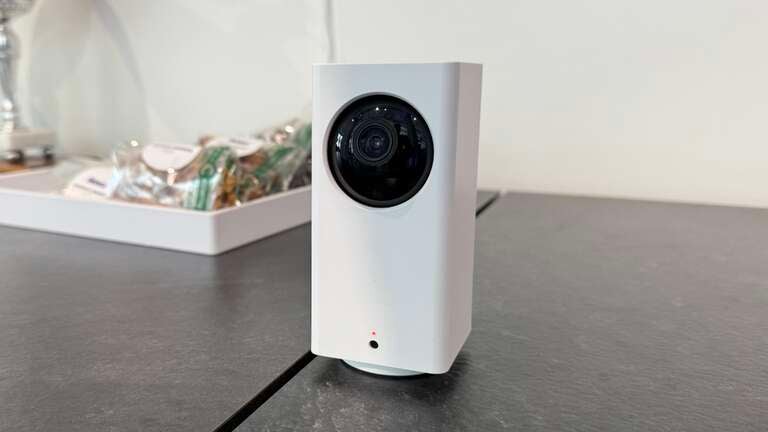
Over the past few years, Roku has been quietly building a smart home lineup outside of its traditional streaming devices. We’re talking about indoor and outdoor cameras, video doorbells, smart bulbs, and even light strips. The company partnered with Walmart to roll out many of these products and leaned hard into what made Roku popular in the first place: Simplicity.
Instead of trying to compete with high-end gear from companies like Google or Amazon, Roku is doing what it does best. It’s creating an ecosystem that simply works, without the need for confusing menus or additional apps.
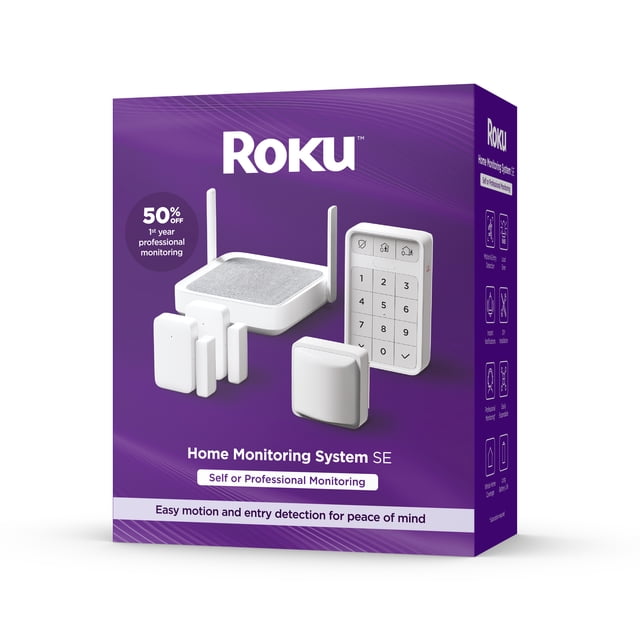
The value of seamless integration

Where the Roku vision really stands out is in how easy it is to get everything working together. Whether someone rings your doorbell or walks past one of your cameras, you can see what’s happening right from your TV. There’s no need to reach for your phone or jump through a bunch of technological hoops. Over the years, when talking to friends about smart home devices, one of the biggest complaints I have heard is how difficult they are to set up and that they often forget which app they have to use to check each device.
Roku’s ease of integration is what sets it apart and starts making things interesting. The company isn’t trying to reinvent the smart home, it’s just trying to make it easier to use. If you already have a Roku TV or streaming stick, adding a Roku smart camera is practically plug-and-play. You don’t need to worry about a second app, another account, and figuring out how to link everything together in hopes that it works.
The market is flooded with affordable cameras and light strips right now, so it’s not like Roku is doing something truly unique. The value proposition for customers is simplicity, and that’s an area that Roku can win in, as most of the other brands on the market can’t right now.

This isn’t an entirely new idea
While Roku has been doing it for only a few years, the idea of integrating other smart home gear with streaming sticks has been around for longer. Amazon has been enhancing its Fire TV lineup for years with new connected features and integrations. Amazon has purchased companies like Blink, Ring, Eero, and others, while making all of the devices work nicer together. These all offer support for Amazon’s Alexa platform, but the integrations are often more complex, and the product lineups are much more confusing.
Power users and smart home pros may benefit from some of the more enhanced features that Amazon offers, but when it comes down to a consumer-friendly, easy-to-understand approach, Roku takes the cake.
Why this makes Roku’s streaming devices more compelling

When your smart lights, doorbell, and cameras all talk to the same system you use to watch TV, you’re a lot less likely to switch to something else. So, if your existing Roku streaming device starts to slow down, you’ll be far more likely to look at Roku for a replacement, since it will help maintain the ease with which the rest of your smart home runs on. Additionally, if friends and family need a recommendation, you’re likely speaking highly of the experience you have, and that will resonate with them as well.
The smart home push also gives Roku’s streaming devices a boost. It’s no longer just about what shows you can watch. It’s about what your Roku device can do for you around the house. That kind of added value could be a big selling point, especially for first-time buyers or anyone looking to upgrade. Roku’s not trying to win a tech arms race. It’s betting that people want things to be easy. And right now, that might be the smartest move a streaming company can make.